Respectful Workplace Communication
Sexual Harassment Risks in Workplace Messaging and Collaboration Tools
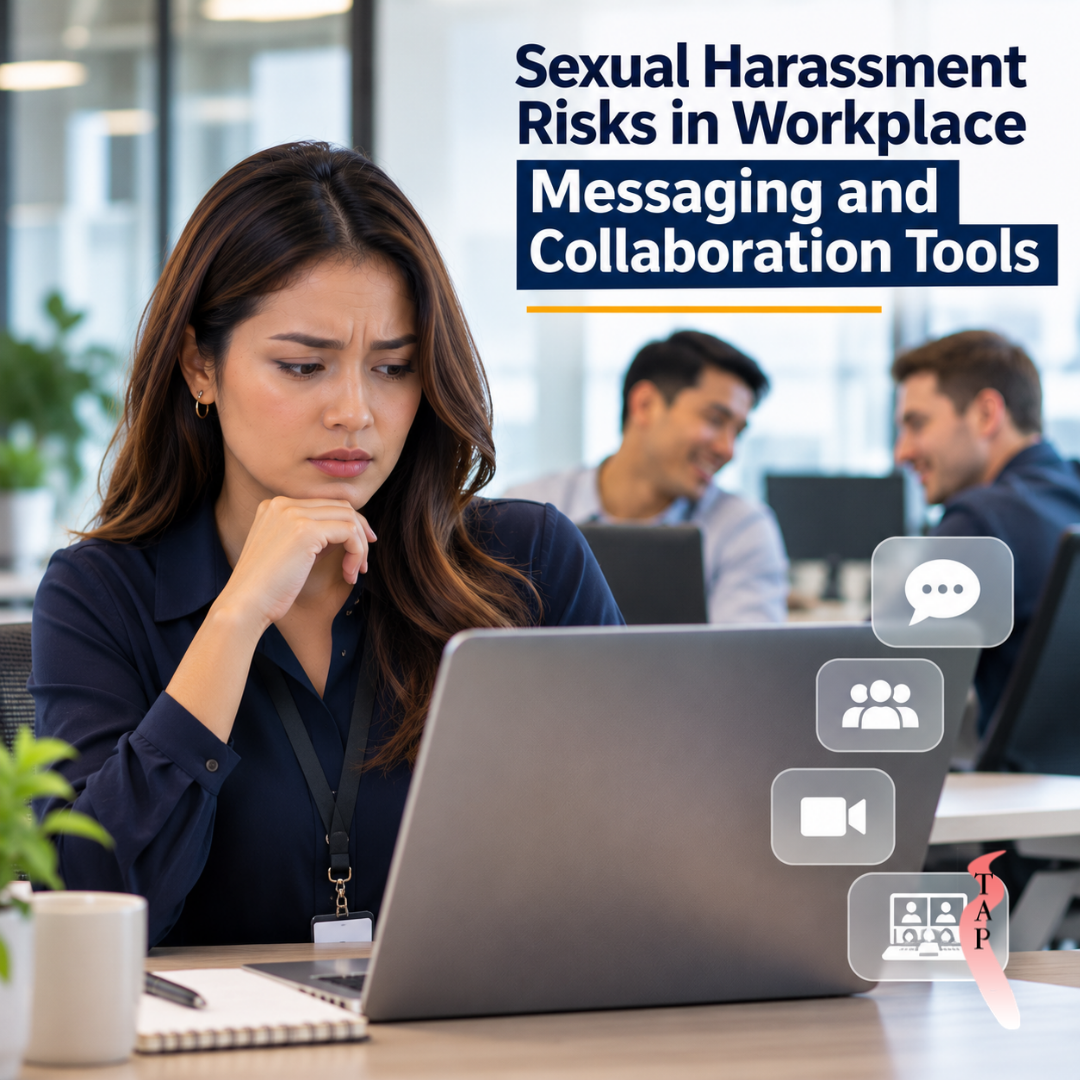
Workplace messaging and collaboration tools help employees communicate, share files, and manage projects efficiently. However, these platforms can also create opportunities for inappropriate behavior, including unwelcome personal messages, sexualized comments, and offensive content.
Sexual harassment prevention should extend to all work-related digital communications, whether they occur in shared channels, private messages, or collaboration software.
Recognizing Sexual Harassment in Digital Workspaces
Inappropriate conduct can occur through messaging platforms, project management tools, video meetings, and other workplace communication systems.
Examples include:
- Sending repeated unwanted flirtatious or sexual messages.
- Sharing sexually suggestive jokes, images, or memes.
- Making inappropriate comments about a coworker's appearance.
- Using private messages to pressure colleagues into personal conversations.
- Posting offensive or sexualized content in shared channels.
- Continuing unwanted communication after someone expresses discomfort.
Even when messages are intended as jokes, they may still violate workplace policies or contribute to harassment concerns.
Why Digital Harassment Can Be Difficult to Address
Employees may hesitate to report inappropriate messages because they fear workplace conflict, retaliation, or exclusion from important conversations.
Private messages can also create situations where employees feel uncomfortable responding, particularly when the sender is a supervisor or influential colleague.
Additionally, employees may be uncertain whether workplace policies apply to messages sent outside business hours or through personal devices.
Employers should clarify that professional conduct expectations apply to work-related communications, regardless of the platform used.
Establishing Clear Digital Communication Policies
Employers can reduce harassment risks by establishing guidelines for workplace messaging and collaboration tools.
Important measures include:
- Professional communication: Require respectful language in shared channels and private conversations.
- Personal boundaries: Discourage unwanted personal attention, intrusive questions, and repeated inappropriate messages.
- Appropriate content: Prohibit sexually suggestive material and offensive workplace communications.
- Reporting procedures: Provide accessible ways to report inappropriate digital behavior.
- Supervisor responsibilities: Ensure managers recognize concerns and follow established escalation procedures.
Policies should also explain how relevant digital records may be preserved and reviewed when complaints arise, consistent with privacy and legal requirements.
Responding to Digital Harassment Complaints
When employees report inappropriate messages, employers should review the concerns promptly and objectively.
Relevant emails, screenshots, chat histories, or other records may help establish context. However, employers should protect employee privacy and limit access to authorized personnel.
Supervisors should avoid dismissing complaints as harmless jokes or private conversations. Employees should also be protected from retaliation for reporting concerns or participating in investigations.
Legal Background
Title VII of the Civil Rights Act of 1964 prohibits covered employers from engaging in unlawful sex discrimination, including sexual harassment that meets applicable legal standards.
Sex-based harassment through digital communications may contribute to a hostile work environment when the conduct is sufficiently severe or pervasive under federal law.
Whether conduct is unlawful depends on the circumstances, including its nature, frequency, severity, and connection to employment. State and local laws may provide additional protections.
The Importance of Sexual Harassment Training
Sexual harassment prevention training can help employees recognize inappropriate online behavior and understand professional boundaries in digital workspaces.
Sexual Harassment Training | TAP Series®
Training should address:
- Employee awareness: Recognizing inappropriate messages and digital interactions.
- Reporting procedures: Understanding how to report concerns involving workplace communication tools.
- Supervisor responsibilities: Responding appropriately to complaints and escalating concerns.
- Workplace respect: Maintaining professional boundaries in online conversations.
- Prevention strategies: Encouraging responsible digital communication and appropriate use of collaboration platforms.
Training should complement clear workplace policies, accessible reporting channels, and consistent responses to complaints.
Key Takeaways for Employers
Employers can strengthen digital harassment prevention by:
- Including messaging and collaboration tools in harassment prevention policies.
- Establishing clear expectations for shared channels and private messages.
- Providing accessible reporting procedures.
- Training supervisors to recognize and address inappropriate digital conduct.
- Handling digital evidence responsibly and protecting employee privacy.
- Reinforcing anti-retaliation protections.
Conclusion
Workplace messaging and collaboration tools should support productive communication without exposing employees to inappropriate or unwelcome conduct.
By establishing clear digital communication policies, accessible reporting procedures, and practical harassment prevention training, employers can reinforce professional boundaries and promote respectful interactions across digital workspaces.