Foodborne Illness Prevention
Significant Progress in Food Safety: USDA Confirms Absence of Trichinella in U.S. Pork Supply
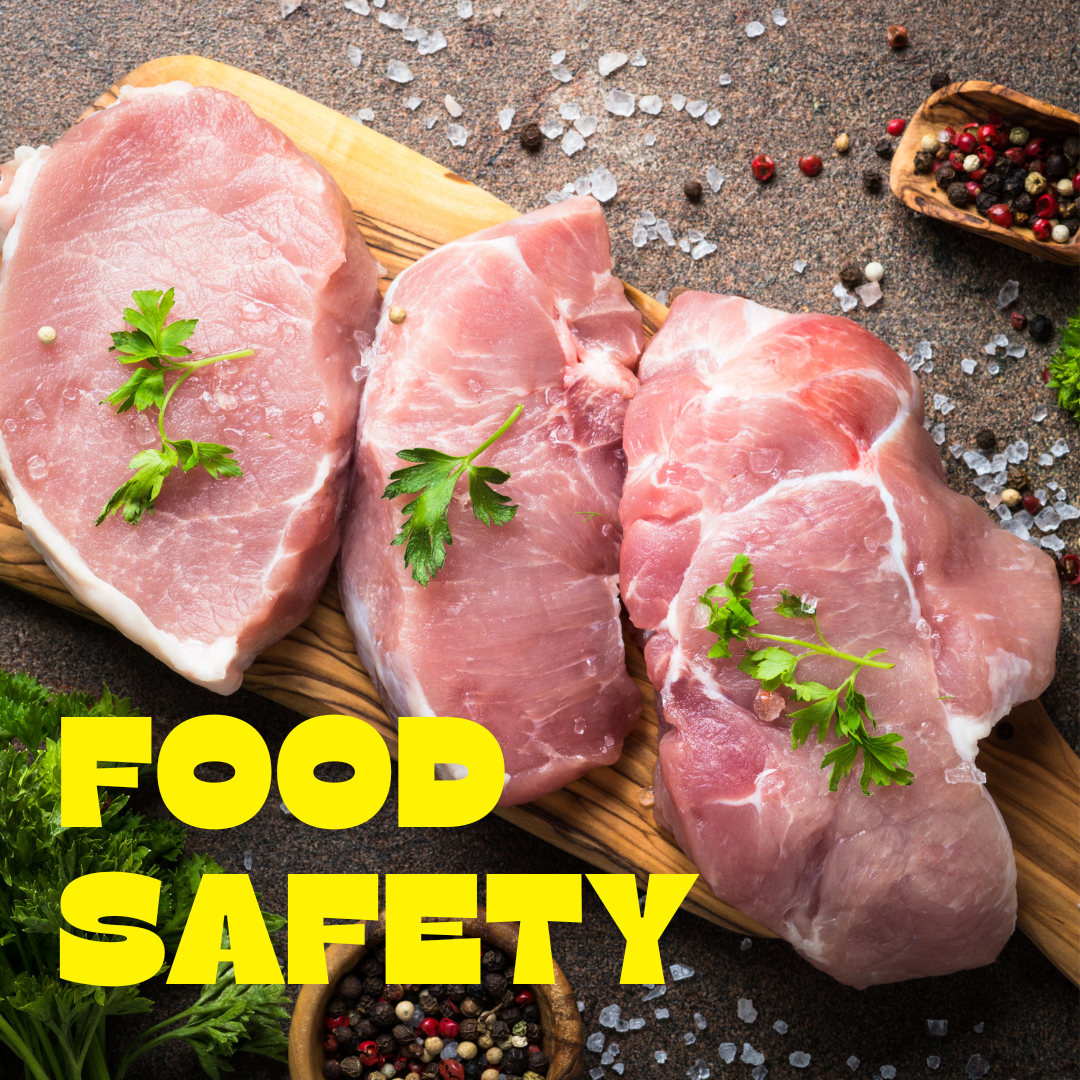
Significant Progress in Food Safety: USDA Confirms Absence of Trichinella in U.S. Pork Supply
In an extensive survey encompassing 3.2 million pigs reared under the U.S. Pork Quality Assurance Plus (PQA+) program, the United States Department of Agriculture (USDA) has reported a complete absence of Trichinella infections in the national pork supply. This pivotal finding represents a landmark achievement in the domain of food safety, particularly given that Trichinella, a parasitic nematode, historically posed a significant threat to public health via the commercial pork industry. Sustained efforts over several decades to mitigate this parasite on both national and international levels have effectively nullified its impact on public health.
Trichinella: A Parasitological Perspective
Trichinella spp. are intracellular parasitic nematodes responsible for the zoonotic disease trichinosis, acquired through the ingestion of raw or undercooked meat harboring encysted larvae. Once ingested, these larvae excyst and mature in the intestines, subsequently migrating to striated muscle tissues, where they encyst, causing a spectrum of clinical manifestations ranging from gastrointestinal disturbances to severe myositis and systemic complications, potentially culminating in mortality.
Historically, swine have been the primary reservoir for Trichinella, with pork consumption being a major vector for human infection. The advent of stringent biosecurity protocols, advanced husbandry practices, and rigorous regulatory frameworks has substantially attenuated the prevalence of Trichinella within the commercial pork supply. The USDA's recent survey underscores the success of these integrated control measures, conclusively demonstrating the eradication of this parasite from the U.S. pork supply.
USDA's Comprehensive Food Safety Surveillance
The USDA's mandate encompasses the surveillance and regulation of a broad spectrum of food products to safeguard public health. Key areas under USDA oversight include:
- Meat and Poultry Inspection: The Food Safety and Inspection Service (FSIS) within the USDA is tasked with the inspection and oversight of all domestic and imported meat, poultry, and processed egg products, ensuring compliance with safety, wholesomeness, and accurate labeling standards.
- Dairy Product Regulation: While primary regulatory authority resides with the Food and Drug Administration (FDA), the USDA contributes through quality assurance and certification programs, ensuring the safety and quality of dairy products.
- Egg Product Surveillance: The USDA rigorously inspects egg products, including liquid, frozen, and dried eggs, enforcing stringent safety standards to prevent foodborne illnesses.
- Produce Quality Standards: Although the FDA governs most produce, the USDA plays a critical role in grading and establishing quality benchmarks for various fruits and vegetables, supporting overall food safety.
- Organic Certification: The USDA's National Organic Program (NOP) certifies organic food products, ensuring adherence to federal standards for organic production, handling, and labeling, thereby fostering consumer trust in organic labeling.
- Processed Food Oversight: The USDA inspects and certifies specific processed food items, particularly those incorporating meat or poultry components, to maintain safety and quality standards.
The USDA's multifaceted inspection and certification programs are pivotal in maintaining the integrity and safety of the U.S. food supply. The recent validation of a Trichinella-free pork supply exemplifies the efficacy of these programs and reinforces the USDA's dedication to upholding high standards of food safety. This achievement provides substantial assurance to consumers regarding the microbiological safety of pork products, reflecting the successful mitigation of historical parasitic threats.