US Restaurant Inspection Standards
The Most Common Violations Inspectors Cite and How Training Helps Prevent Them
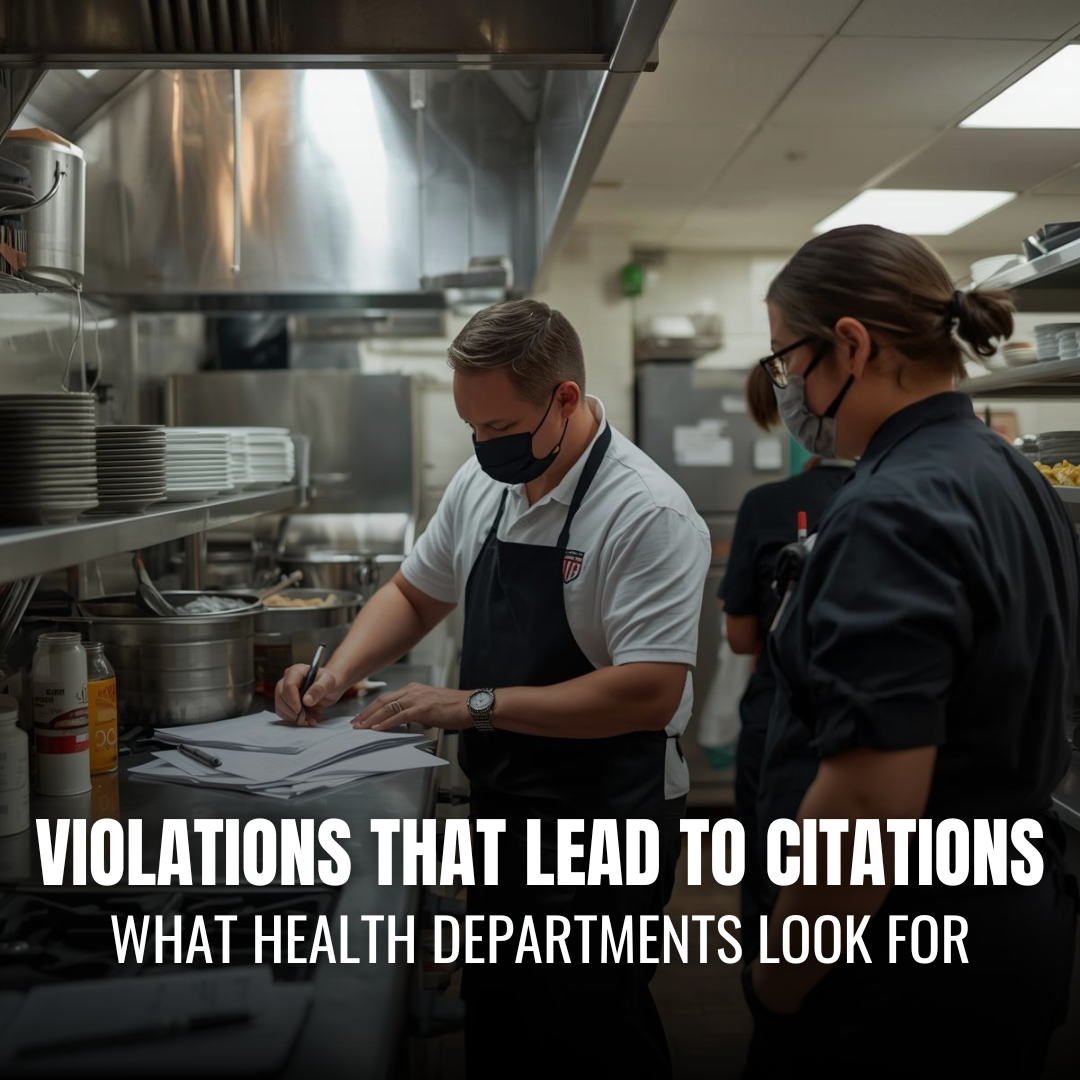
Health department inspections are a routine part of operating a restaurant in the United States. While inspections are designed to protect public health, enforcement actions often stem from the same repeat issues found across kitchens, prep areas, and service lines.
Understanding what inspectors most frequently cite helps restaurant owners, managers, and staff focus on the areas that matter most. More importantly, it highlights why consistent food safety training is essential for compliance and day-to-day operations.
Below are the top restaurant violations inspectors commonly identify during health department inspections.
Top Restaurant Violations Cited by Inspectors
Improper Temperature Control
Temperature violations remain one of the most frequently cited issues. Inspectors check whether time and temperature controlled for safety foods are held at safe hot or cold temperatures. This includes refrigeration units, hot holding equipment, and cooling procedures.
Common problems include:
- Cold foods stored above required temperatures
- Hot foods not held hot enough
- Improper cooling of cooked foods
These violations pose a direct food safety risk and are closely scrutinized during inspections.
Poor Handwashing Practices
Inspectors closely observe employee hygiene. Failure to wash hands properly or at required times is a common violation.
Typical findings include:
- Employees skipping handwashing between tasks
- Handwashing sinks blocked or lacking soap or paper towels
- Improper glove use
Even when food is handled correctly, poor hygiene practices can quickly lead to violations.
Cross Contamination Risks
Cross contamination is another top enforcement concern. Inspectors look at how raw and ready-to-eat foods are stored, prepared, and handled.
Issues often include:
- Raw meats stored above ready-to-eat foods
- Shared cutting boards or utensils without proper cleaning
- Improper food storage practices
These violations are preventable with consistent training and clear kitchen procedures.
Inadequate Cleaning and Sanitizing
Cleanliness goes beyond appearance. Inspectors evaluate whether food contact surfaces, equipment, and utensils are properly cleaned and sanitized.
Common citations involve:
- Improper sanitizer concentration
- Dirty food contact surfaces
- Infrequent cleaning of high-use equipment
Failure to follow proper sanitizing procedures can result in repeated violations across inspections.
Lack of Food Safety Knowledge
Many violations stem from a lack of food safety understanding rather than intentional misconduct. Inspectors often note when staff or management cannot explain basic food safety practices.
This may include:
- Uncertainty about required food temperatures
- Lack of awareness of cleaning schedules
- Inconsistent enforcement of hygiene rules
When employees are unsure, mistakes are more likely to occur during busy service periods.
Why Training Plays a Critical Role in Compliance
Health department enforcement is not only about identifying problems. It reflects whether a restaurant has systems in place to maintain safe food practices every day.
Training provides staff and managers with the knowledge needed to:
- Understand inspection expectations
- Apply food safety principles consistently
- Respond confidently during inspections
This is where structured food safety education becomes essential.
Featured TAP Series Training Courses
Food Handler Training
Food handlers are on the front lines of food safety. TAP Series Food Handler training focuses on foundational practices such as proper handwashing, temperature awareness, and contamination prevention.
This training helps employees develop habits that align with health department standards and reduces the likelihood of common violations during inspections.
Food Safety Manager Certification Training
Food safety managers play a key role in maintaining compliance and overseeing daily operations. TAP Series Food Safety Manager Certification Training prepares managers to understand regulatory requirements, identify risks, and enforce food safety protocols throughout the restaurant.
The course covers critical topics including:
- Food safety awareness and responsibility
- Temperature control and monitoring
- Cross contamination prevention
- Cleaning and sanitizing procedures
- Personal hygiene policies
With trained management, restaurants are better positioned to prevent repeat violations and demonstrate active food safety control during inspections.
Final Thoughts
Health department enforcement in the restaurant industry consistently highlights the same core issues. Temperature control, hygiene, sanitation, and food safety knowledge remain at the center of most violations.
Restaurants that invest in ongoing Food Handler and Food Safety Manager training are better prepared to address these risks before inspectors arrive. More importantly, they build safer operations that protect customers, employees, and the business itself.
Food safety is not only about passing inspections. It is about maintaining standards that support long-term compliance and trust.