Employee Reporting Procedures
The Role of Supervisors in Preventing Sexual Harassment
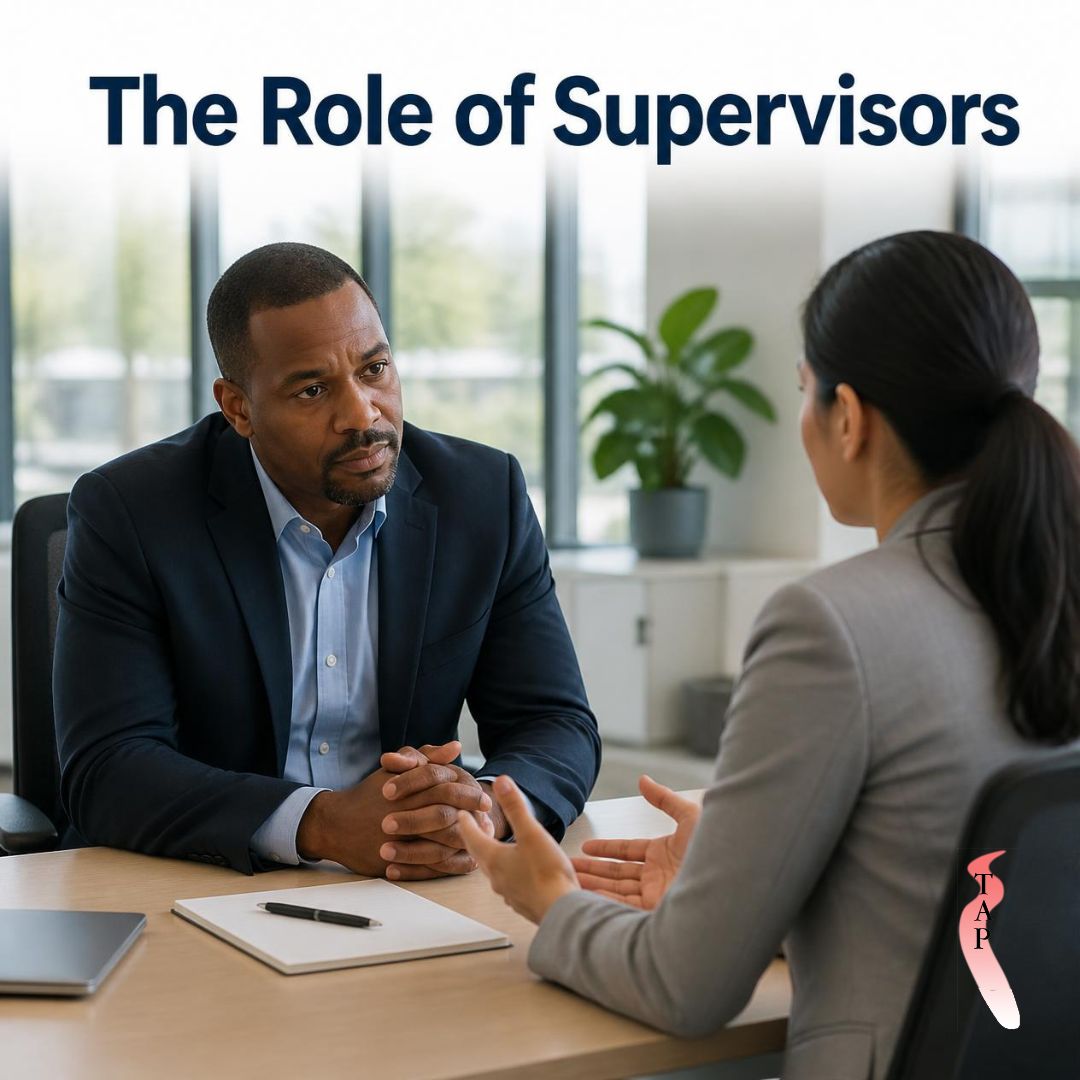
Sexual harassment prevention is a shared workplace responsibility, but supervisors and managers have an especially important role. Because they regularly interact with employees, supervisors may be the first people an employee approaches with a workplace concern.
Knowing how to recognize potential warning signs, respond appropriately, document concerns, and follow established reporting procedures can help supervisors handle these situations responsibly.
Why Supervisors Matter
Employees may feel more comfortable approaching a direct supervisor than someone in HR or senior management. This makes supervisors an important part of an organization's workplace conduct and reporting process.
Supervisors should understand that their role is not to independently determine whether a complaint is valid. Instead, they should know how to receive concerns professionally and follow the organization's procedures.
Recognizing Potential Warning Signs
Supervisors may notice changes in workplace interactions that warrant attention. These can include:
- An employee appearing uncomfortable around a particular coworker
- Repeated complaints about inappropriate comments or behavior
- Employees avoiding certain workplace interactions
- Tension or conflict between employees
- Concerns raised about unwanted communication or personal attention
A single behavior does not necessarily establish sexual harassment. Supervisors should avoid assumptions and rely on established policies and procedures when concerns arise.
Responding When an Employee Raises a Concern
How a supervisor responds can influence whether an employee feels comfortable raising future concerns.
Supervisors should:
Listen professionally
Allow the employee to explain their concern without dismissing or minimizing it.
Avoid making promises
Do not promise a particular outcome or make conclusions before the appropriate process has taken place.
Follow reporting procedures
Know where concerns should be directed and what steps the organization requires.
Escalate appropriately
Contact HR, management, or another designated resource when required by company procedures.
Documenting Workplace Concerns
Documentation can be an important part of an employer's established process for handling workplace concerns. Supervisors should understand what information they are expected to document and how that information should be handled.
Documentation should follow company policies and applicable requirements. Supervisors should avoid adding personal opinions, assumptions, or conclusions about an allegation.
The Importance of Supervisor Training
Sexual Harassment Training | TAP Series®
Training can help supervisors better understand their responsibilities and give employees a clearer understanding of workplace expectations.
Training can support:
- Awareness: Recognizing conduct that may raise workplace concerns.
- Communication: Understanding how to respond professionally when concerns are raised.
- Reporting: Knowing where and how concerns should be escalated.
- Documentation: Understanding the importance of following established documentation procedures.
- Prevention: Reinforcing respectful workplace expectations.
Key Takeaways for Supervisors
- Take employee concerns seriously.
- Listen without making immediate conclusions.
- Know the organization's reporting procedures.
- Document information according to established policies.
- Escalate concerns to the appropriate resource.
- Maintain professional and respectful communication.
Conclusion
Supervisor responsibilities in the workplace extend beyond managing daily operations. Managers and supervisors can play an important role in recognizing potential concerns, responding appropriately, and helping employees understand where to seek assistance.
Providing supervisors with appropriate training can help them better understand their responsibilities and support an organization's broader efforts to maintain a respectful and professional workplace.