Student Engagement
The Use of Images in Medical Education
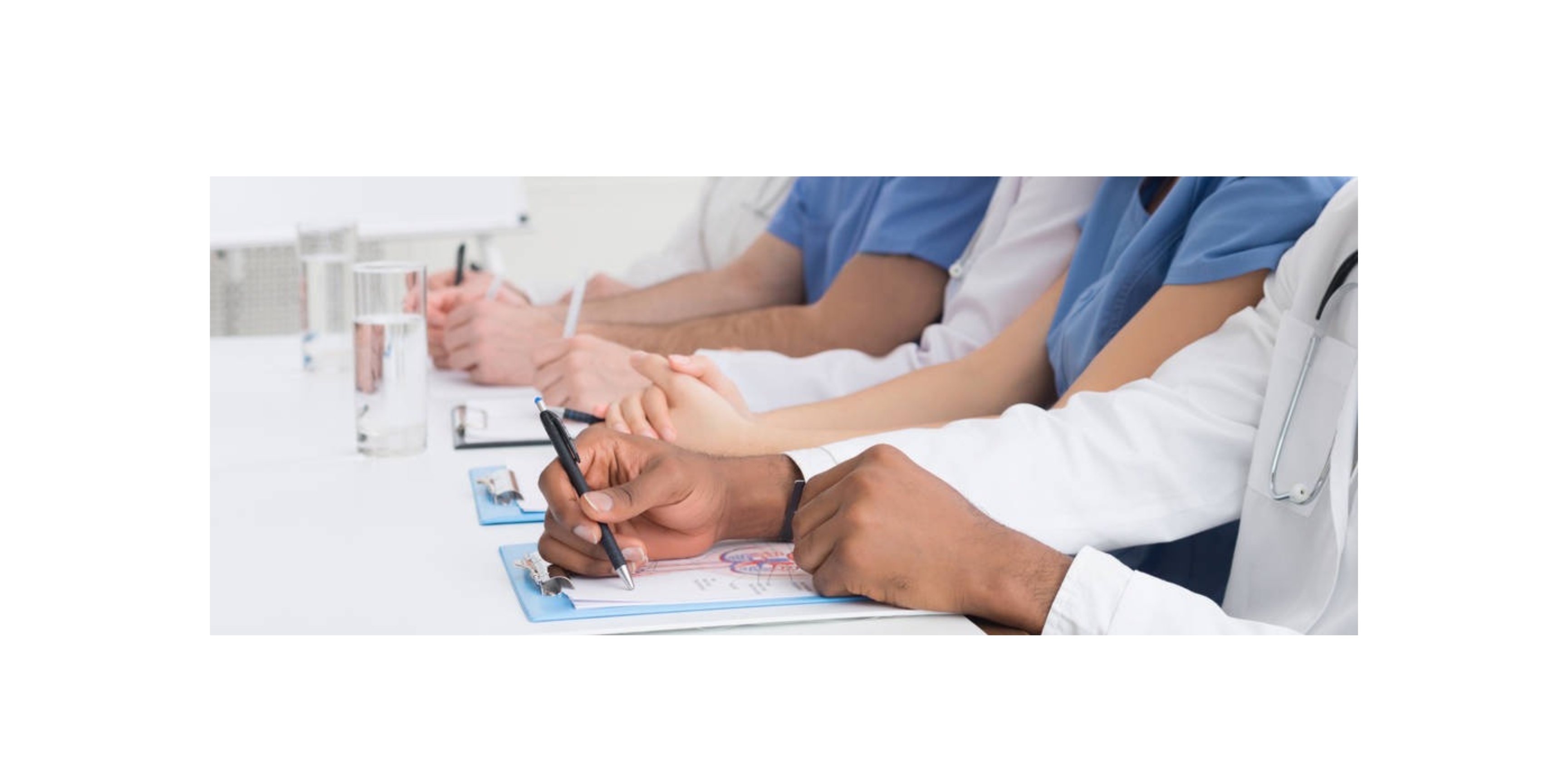
The use of images in medical education can help to develop observation skills in students. Slides in courses such as Advanced Trauma Life Support can be used to direct students to specific areas for observation, such as a patient's color, facial swelling, or signs of soot around the nostrils. Images can also highlight the position of a patient or something in the background, which can help students to develop their observation skills.
Furthermore, the use of images as an explanatory aid can also aid in the retention of information. For example, a study involving older adults found that video instruction followed by practice was more effective in aiding retention of information related to operating a blood glucose machine compared to manual instruction. In this study, retention was also greater in the younger group.
Overall, the use of images in medical education can serve as a valuable tool in developing observation skills and aiding in the retention of information.
In summary, research suggests that true to life images are more effective in facilitating learning compared to cartoon images. This is because the iconicity of the image, or the degree of resemblance between the image and the real object, plays a significant role in the ability to generalize from the picture to the real object. Studies have shown that learners who are exposed to real photographs of objects are better able to extend the label they have learned to the real object compared to those who are exposed to cartoon drawings. Thus, the use of high-quality, true to life images in teaching can enhance the learning experience and reduce the need for text slides.