EEOC
Understanding Wearable Technologies and Employment Discrimination Laws
Background
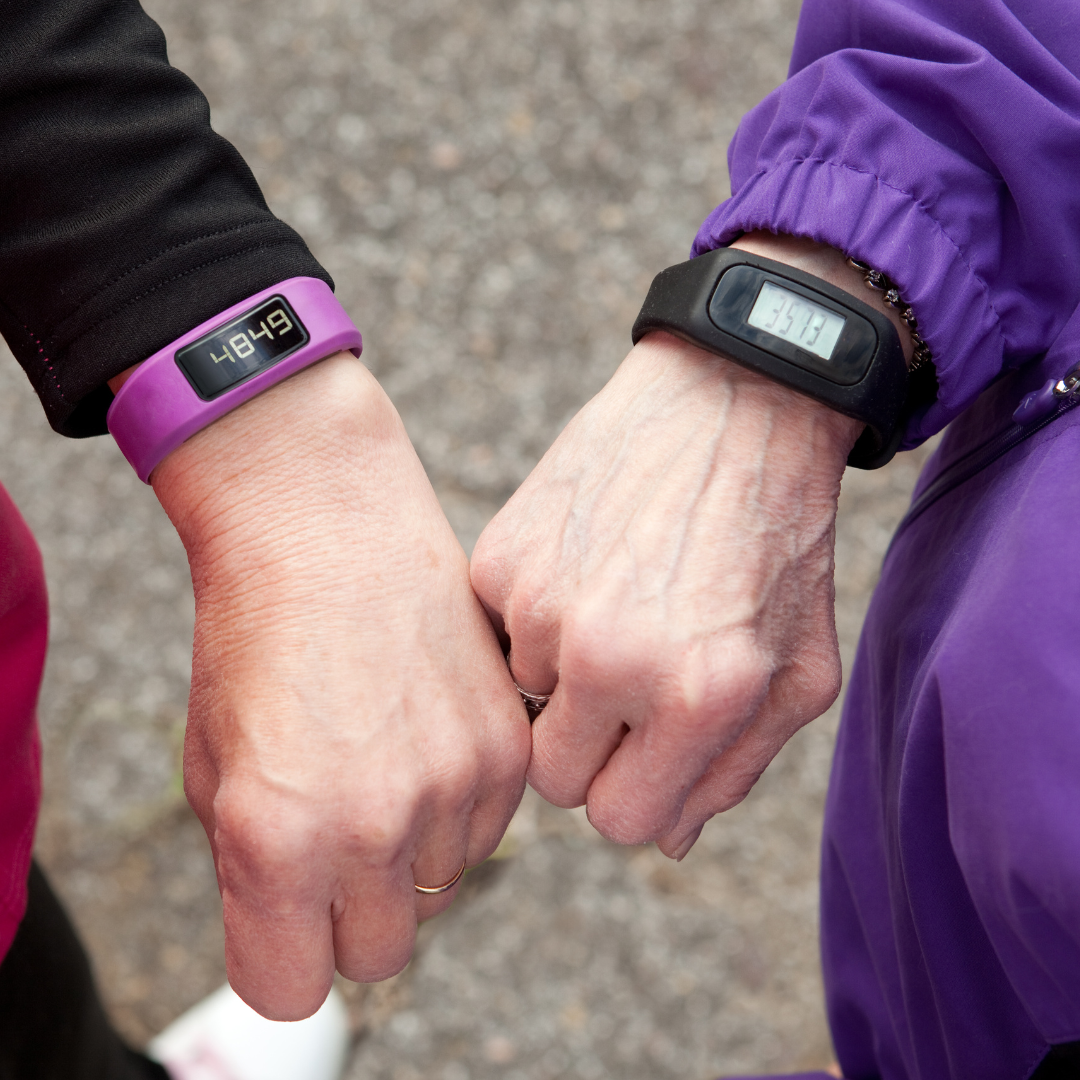
The U.S. Equal Employment Opportunity Commission (EEOC) has released a new fact sheet titled "Wearables in the Workplace: The Use of Wearables and Other Monitoring Technology Under Federal Employment Discrimination Laws." This document provides guidance for employers using wearable technologies like watches, rings, glasses, or helmets that track health or biometric data. These technologies can monitor employee location, fatigue, heart rate, or brain activity, raising questions about compliance with federal anti-discrimination laws.
The fact sheet emphasizes that employment discrimination laws, such as the Americans with Disabilities Act (ADA) and other federal protections, apply to the collection and use of data from wearables. It also highlights the importance of providing reasonable accommodations and safeguarding employee medical information.
Key Implications of Wearable Technologies in the Workplace
1. Medical Examinations and Disability-Related Inquiries
- Employer-mandated wearables may perform "medical examinations" under the ADA if they collect health or biometric data.
- Setting up or using wearables that require employees to input health information could result in prohibited "disability-related inquiries."
2. Data Protection and Anti-Discrimination Laws
- Improper use of data collected by wearables could lead to discrimination based on sex, age, genetic information, disability, or race.
- Employers must ensure the data is not misused to justify adverse employment actions.
3. Reasonable Accommodations
- Employers must provide reasonable accommodations under the Pregnant Workers Fairness Act, as well as for religious or disability-related needs.
4. Compliance and Recordkeeping
- Medical data collected by wearables must be stored separately from personnel files in compliance with ADA requirements.
- Employers should be vigilant to avoid creating new avenues for discrimination.
Key Takeaways
- Know the Law: Employers should familiarize themselves with federal anti-discrimination laws to ensure compliance when implementing wearables in the workplace.
- Prioritize Privacy: Properly safeguard employee medical and biometric data collected by wearables.
- Avoid Assumptions: Do not use wearable technology data to stereotype or make discriminatory decisions about employees.
- Engage in Accommodation: Provide reasonable accommodations related to religious beliefs, disabilities, or pregnancy as required by law.
Conclusion
The increasing adoption of wearable technologies in workplaces brings both opportunities and challenges. Employers considering wearables must adhere to federal anti-discrimination laws, avoid improper data usage, and ensure employee rights are protected. Compliance not only minimizes legal risks but also fosters a more inclusive work environment.