E-coli
Unveiling the Culprits: The Big 6 Foodborne Pathogens and How to Stay Safe
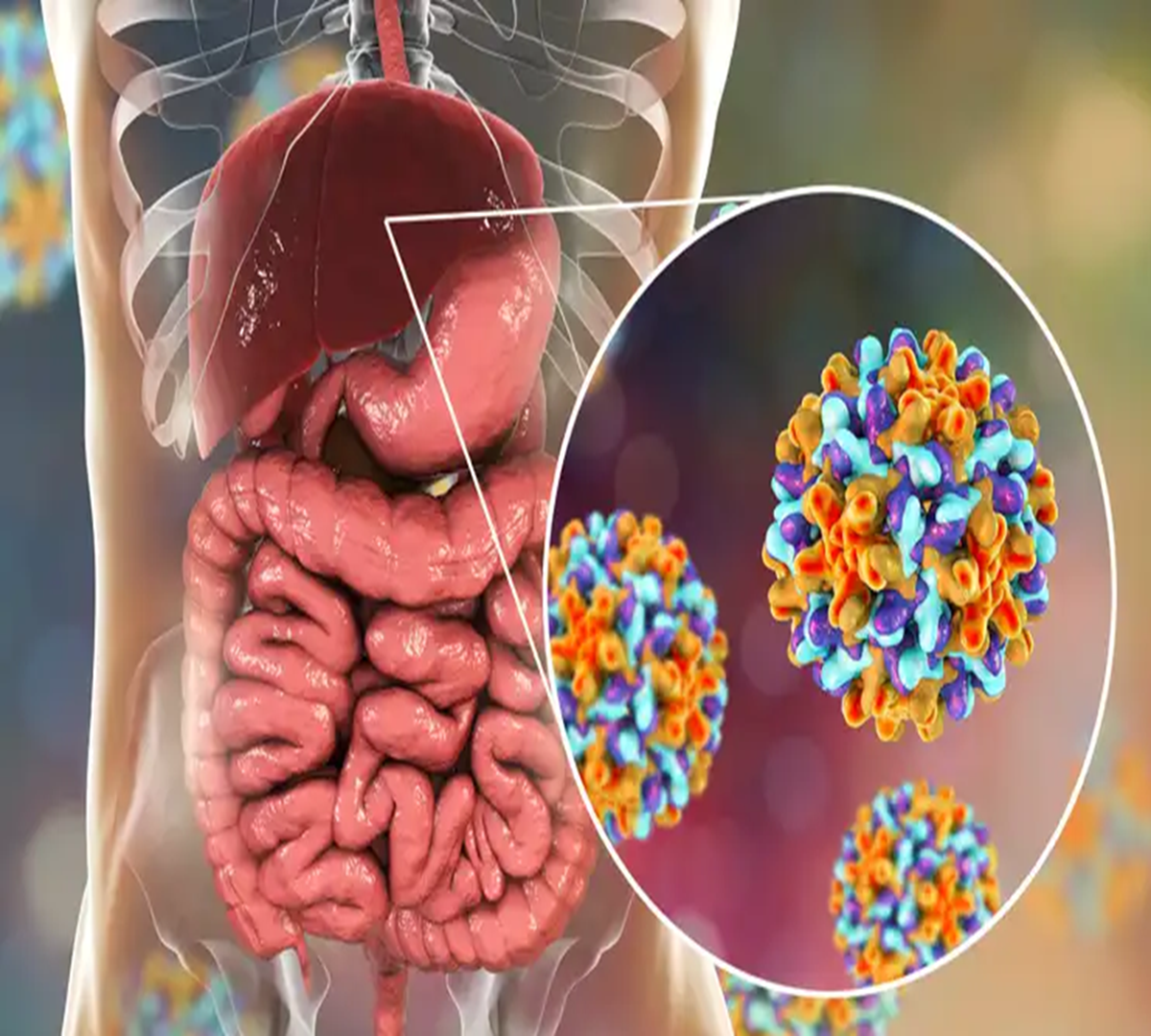
Introduction:
In the intricate world of food safety, a term that echoes consistently is "The Big 6." But who are these notorious six, and why do they hold such significance? These six are the primary culprits behind foodborne illnesses, spreading their impact far and wide across various food sources.
The Big 6 Foodborne Pathogens:
In the realm of food safety, knowledge is power. As a food handler, it's imperative to acquaint yourself with the Big 6 foodborne pathogens, understanding their symptoms, associated foods, and preventive measures.
Norovirus:
- Type: Virus
- Symptom Onset: 12–48 hours
- Symptoms: Diarrhea, stomach cramps, nausea, vomiting
- Duration: 12–60 hours
- Common Sources: Foods handled by an infected food handler, raw produce, shellfish from contaminated waters
- Prevention: Regular handwashing, thorough rinsing of fruits and vegetables, proper cooking of shellfish, prompt reporting of symptoms to the manager.
Hepatitis A:
- Type: Virus
- Symptom Onset: 15–50 days
- Symptoms: Dark urine, diarrhea, flu-like symptoms, jaundice, stomach pain
- Duration: 2–12 weeks
- Common Sources: Contact with an infected food handler, raw produce, shellfish from contaminated water
- Prevention: Rinsing fruits and vegetables, thorough cooking of shellfish, reporting symptoms to the manager.
Shigella:
- Type: Bacteria
- Symptom Onset: 4–7 days
- Symptoms: Diarrhea (may be bloody), fever, stomach cramps
- Duration: 24–48 hours
- Common Sources: Contaminated water, foods handled by an infected food handler, raw produce, uncooked foods
- Prevention: Regular handwashing, cooking foods to safe temperatures, washing fruits and vegetables, avoiding cross-contamination, reporting symptoms to the manager.
Shiga toxin-producing Escherichia Coli (STEC):
- Type: Bacteria
- Symptom Onset: 1–3 days
- Symptoms: Diarrhea (often bloody), stomach cramps, some vomiting
- Duration: 3–7 days
- Common Sources: Water or food contaminated with human feces
- Prevention: Regular handwashing, rinsing fruits and vegetables, cooking foods to safe temperatures, reporting symptoms to the manager.
Salmonella Typhi:
- Type: Bacteria
- Symptom Onset: 1–3 weeks
- Symptoms: Achiness, diarrhea, fever, stomach cramps
- Duration: 2–4 weeks
- Common Sources: Contaminated produce, poultry, meat, unpasteurized milk or juice
- Prevention: Handwashing, rinsing fruits and vegetables, cooking foods to safe temperatures, reporting symptoms to the manager.
Salmonella (nontyphoidal):
- Type: Bacteria
- Symptom Onset: 6–72 hours
- Symptoms: Diarrhea, fever, nausea, stomach cramps
- Duration: 4–7 days
- Common Sources: Contaminated produce, poultry, meat, unpasteurized milk or juice
- Prevention: Regular handwashing, rinsing fruits and vegetables, cooking foods to safe temperatures, reporting symptoms to the manager.
Overview:
The Big 6 foodborne pathogens may share similar symptoms, but their nuances in onset, duration, and associated foods set them apart. These pathogens, including norovirus, hepatitis A, Shigella, STEC, Salmonella Typhi, and Salmonella (nontyphoidal), spread swiftly, causing severe illness.
The Bottom Line:
To safeguard against these formidable foes, food handlers must adhere to basic food safety principles. Regular handwashing, thorough cooking of foods, proper handling of produce, and prompt reporting of symptoms to the manager are essential practices to curb the spread of the Big 6 foodborne pathogens. Remember, knowledge and vigilance are our strongest weapons in the fight for food safety. Stay informed, stay safe!