Trucking Industry Employment Laws
USF Holland Settles EEOC Sex Discrimination Lawsuit for $490,000 and $120,000 in Scholarships
Background
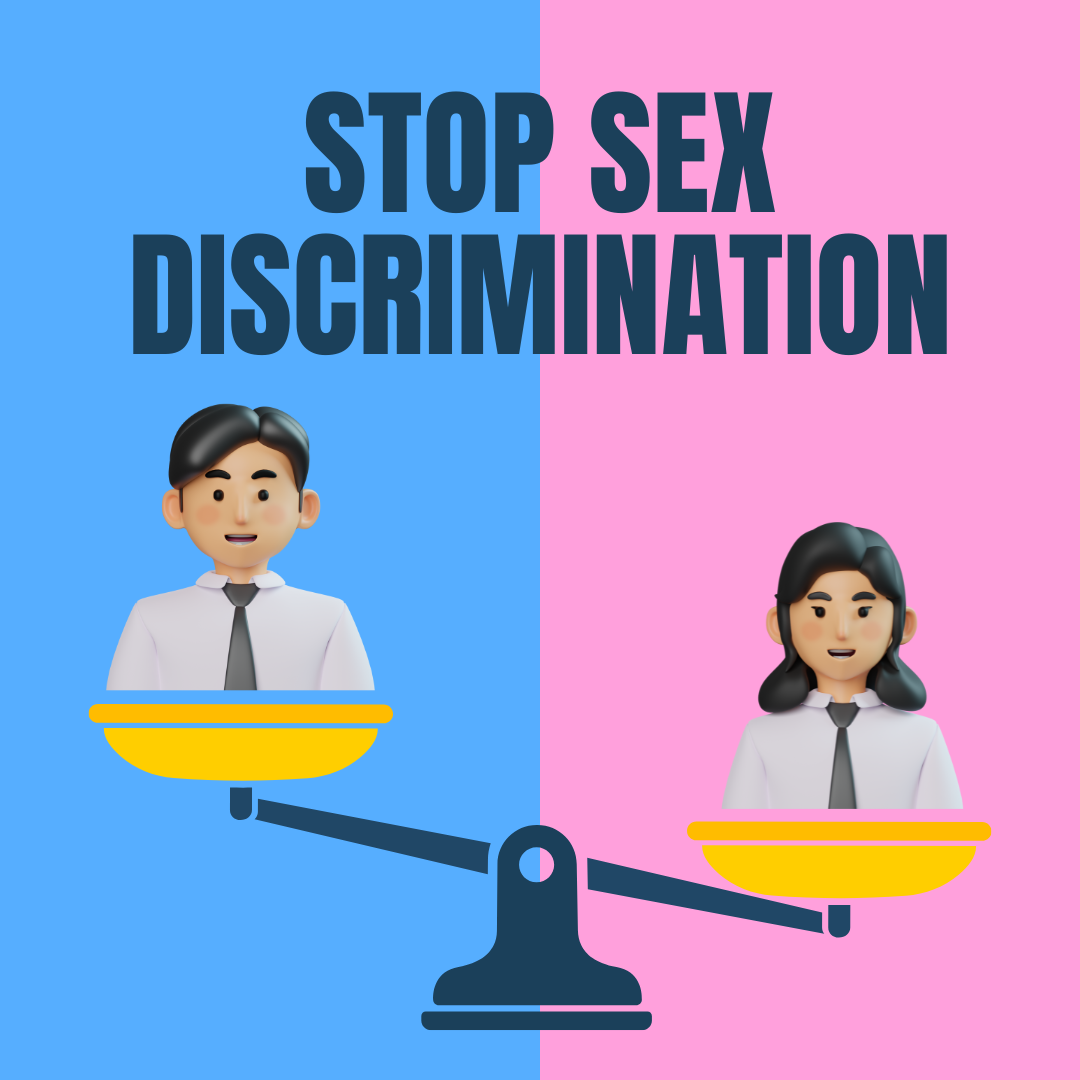
USF Holland, LLC, a transportation carrier and subsidiary of YRC Worldwide, Inc., has agreed to settle a sex discrimination lawsuit filed by the U.S. Equal Employment Opportunity Commission (EEOC). The lawsuit alleged that the company systematically failed to hire female truck drivers at its Olive Branch, Mississippi terminal for decades. In addition to paying $490,000 in monetary relief, the company will provide $120,000 in scholarships to help women obtain truck driver certifications.
The Incident
The EEOC’s investigation found that since opening its Olive Branch terminal in 1986, USF Holland hired only one female driver—and she was terminated before completing her first route. Despite receiving applications from numerous qualified women, the company allegedly consistently favored male candidates, even when female applicants had equal or superior qualifications.
USF Holland’s attractive benefits package drew many experienced female drivers to apply, yet they were routinely passed over. This pattern suggested a systemic hiring bias against women, leading the EEOC to take legal action.
Legal Background
The EEOC filed its lawsuit in the U.S. District Court for the Northern District of Mississippi, Oxford Division (Case No. 3:20cv270-NBB-RP) after efforts to resolve the issue through conciliation were unsuccessful. The complaint cited Title VII of the Civil Rights Act of 1964, which prohibits sex-based employment discrimination, including hiring practices that exclude women from job opportunities.
Settlement and Relief
Under a three-year consent decree approved by the court, USF Holland must:
- Pay $490,000 in damages to affected female applicants.
- Establish a $120,000 scholarship fund to support women pursuing truck driver certifications through the company’s apprenticeship program.
- Award four $10,000 scholarships annually, covering tuition, physical exams, wages, travel expenses, and licensing fees for female trainees.
- Ensure equal hiring standards for all applicants, regardless of sex.
- Revise anti-discrimination policies and provide annual training for staff at the Olive Branch, Mississippi facility to prevent future discrimination.
These measures aim to increase female representation in the trucking industry, a traditionally male-dominated field, and create equal employment opportunities for women.
Key Takeaways
- Workplace Discrimination Has Legal and Financial Consequences – Companies that engage in discriminatory hiring practices risk lawsuits, financial penalties, and reputational damage.
- Scholarship and Training Programs Can Promote Diversity – Providing financial assistance and apprenticeships can help break down barriers for underrepresented groups in male-dominated industries.
- Employers Must Enforce Fair Hiring Practices – Companies must ensure hiring decisions are based on qualifications, not gender, and implement policies that promote equal opportunities.
Conclusion
The settlement of this case underscores the importance of equal hiring practices in all industries, including trucking. By agreeing to financial compensation and proactive hiring initiatives, USF Holland has taken steps to correct past discrimination and promote workplace equality. However, ongoing accountability and training will be necessary to prevent similar issues in the future.