Exposure
What is E. coli, How it Can Cause Illness Symtoms, and More
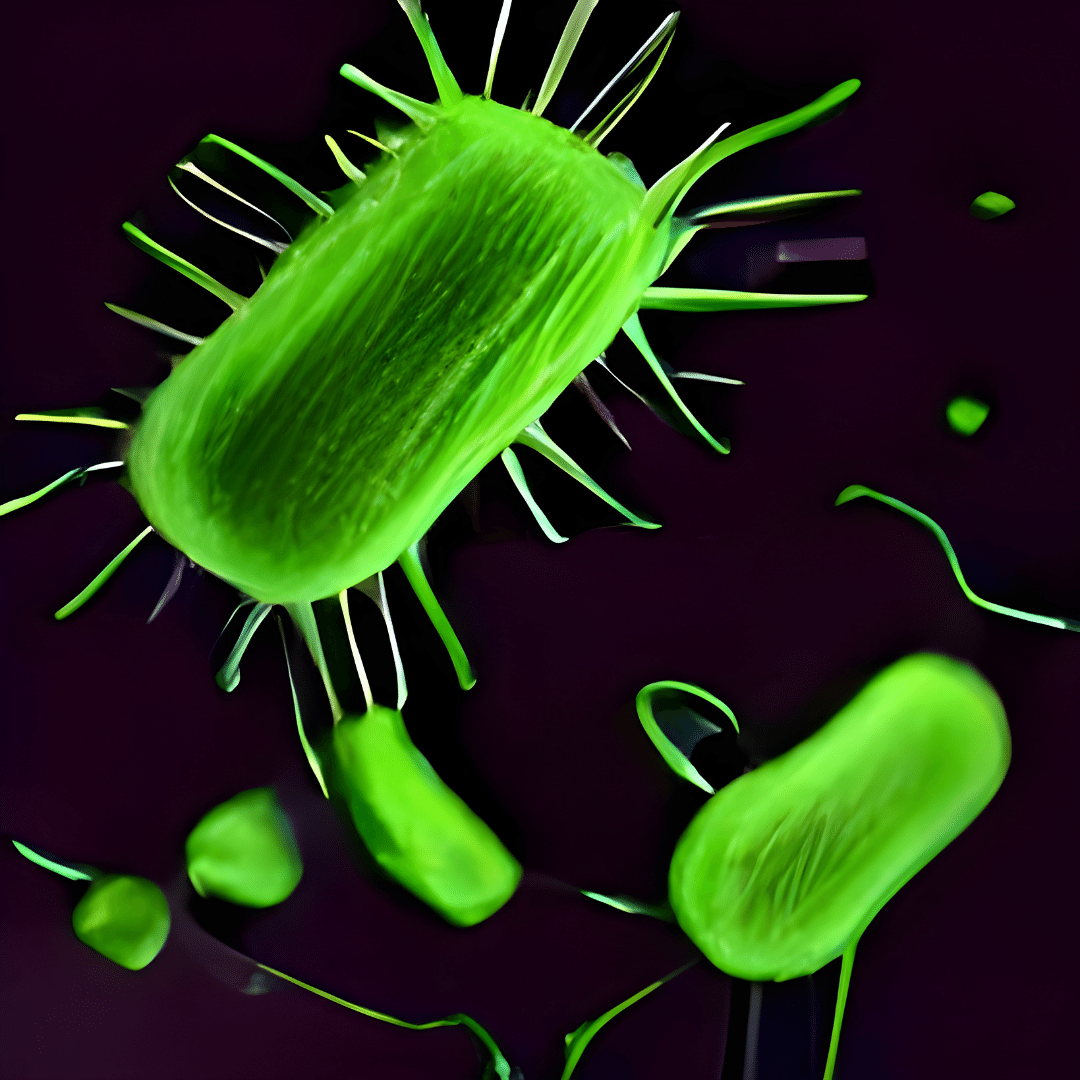
What is E. coli?
The bacteria Escherichia coli (E. coli) typically resides in the intestines of healthy humans and animals. This bacteria is typically not harmful. It facilitates food digestion. However, some E. coli strains can produce symptoms including diarrhea, pains in the stomach, and a low-grade fever. It's possible to get deadly E. coli infections.
How can E. coli cause illness?
The most common E. coli strains that cause illness do so by secreting a toxin known as Shiga. Your diarrhea is brought on by a toxin that harms the lining of your small intestine. Shiga toxin-producing E. coli is another name for these types of E. coli (STEC). E. coli O157:H7, or simply E. coli O157, is the STEC that is most well-known and frequently mentioned in North America.Non-O157 STEC refers to various different subtypes of STEC. Despite having a lower risk of significant problems, these strains are similar to the O157 strain in the disease they can produce.
What signs indicate an E. coli infection?
The following symptoms may appear in those who contract the STEC strain of E. coli:
• Cramps and stomachaches.
• Diarrhea that can be anything from bloody to watery.
• Fatigue.
• Anorexia or loss of appetite.
• Vomiting.
• Low fever, less than 101 °F (38.5 °C) (not all people have this symptom).
How quickly do E. coli infection symptoms appear?
After consuming beverages or foods containing this E. coli bacteria, you typically start to experience symptoms of a STEC infection three to five days later. However, symptoms could appear as soon as a day after exposure and last for up to ten days.
How long do E. coli infection symptoms last? Will I feel better soon?
Five to seven days may pass before you feel better.
Do STEC strains of E. coli produce any other severe infections besides diarrhea?
The majority of E. coli infections are minor and do not pose a significant risk to health. Cases usually end up being resolved on their own with rest and plenty of drinks. Some strains, nevertheless, might result in serious symptoms and even life-threatening complications, such as hemolytic uremic syndrome, which can lead to kidney failure and death.