Lysteria
What is Listeria Monocytogenes and the Related Symptoms?
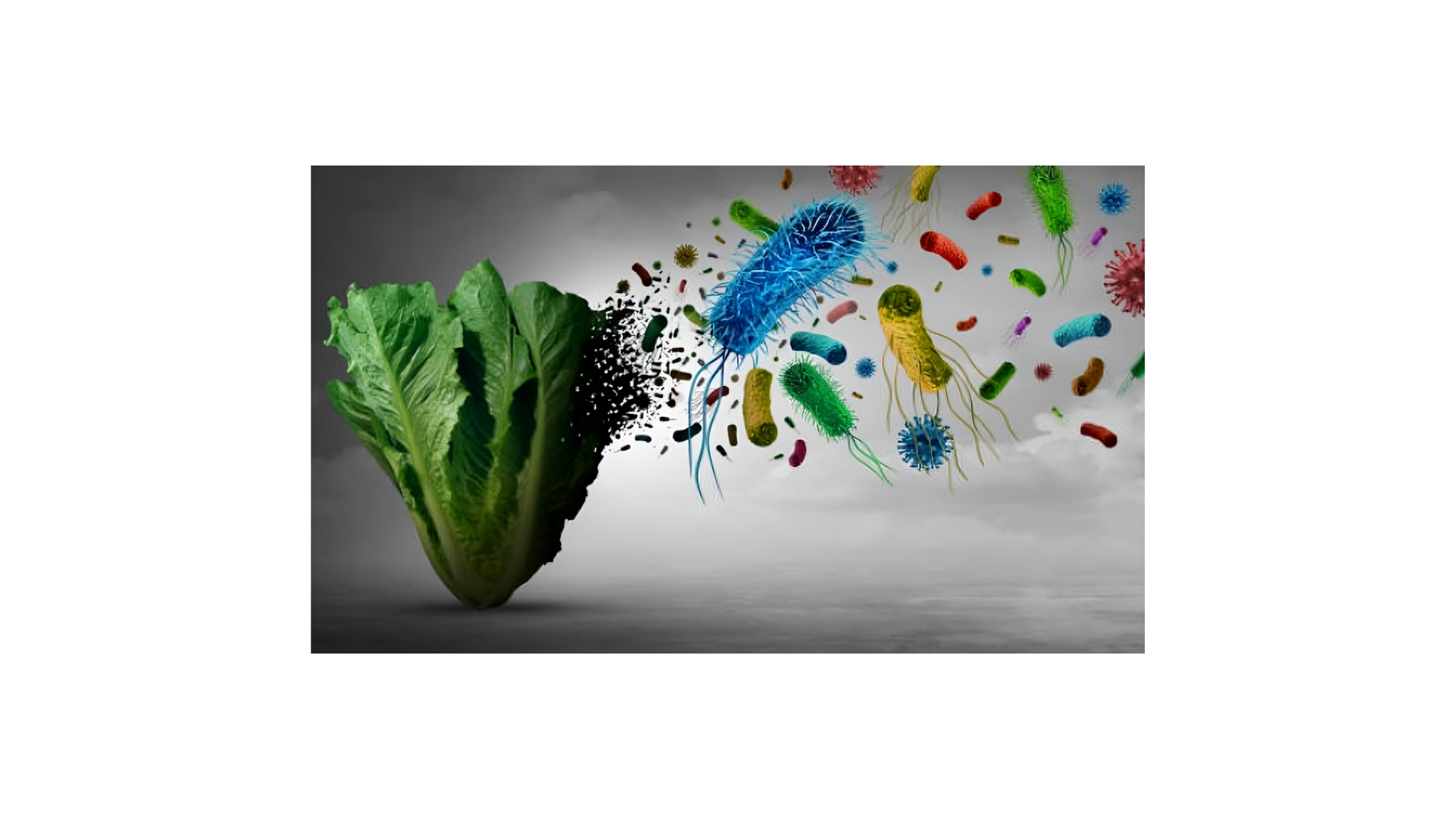
Listeria monocytogenes is a type of bacteria that can cause a serious infection called listeriosis in humans and animals.
It is commonly found in soil, water, and some types of food, including raw or undercooked meat, unpasteurized dairy products, and certain fruits and vegetables.
Listeria can survive and even grow in cold temperatures, which makes it particularly concerning for food safety.
Listeria monocytogenes is capable of inducing severe and sometimes lethal infections in vulnerable populations, including young children, the elderly, and those with compromised immune systems.
Although individuals who are in good health may experience only temporary symptoms such as high fever, intense headaches, stiffness, nausea, abdominal discomfort, and diarrhea, the infection may lead to miscarriages and stillbirths in expectant women.