TAP Series Alcohol Training
When a Drink Becomes a Lawsuit: Understanding Alcohol Liability in Restaurants
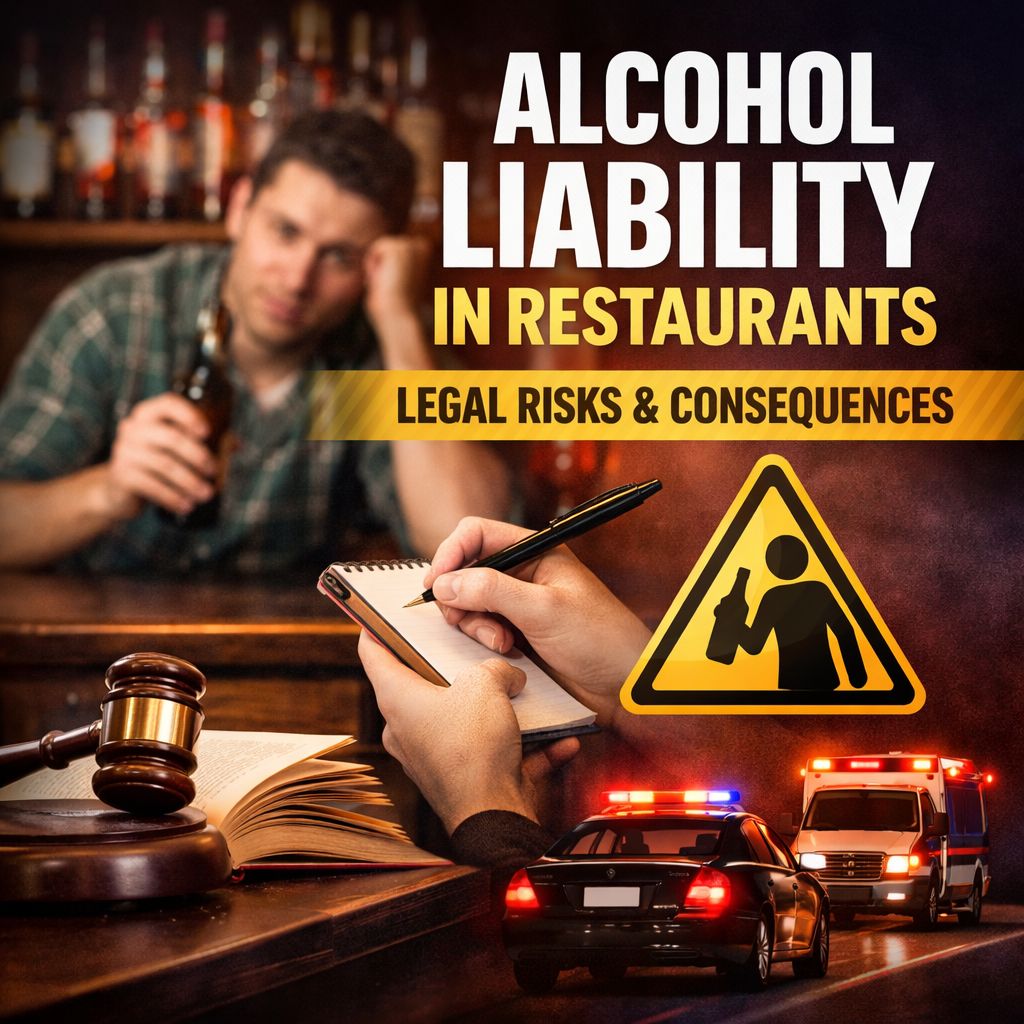
Alcohol liability in restaurants is not just about serving drinks. It is about managing risk, protecting customers, and safeguarding your business from costly legal exposure. A single oversight, such as serving an intoxicated guest or failing to verify identification, can quickly escalate into lawsuits, fines, or even business closure.
For restaurant operators across the United States, the reality is simple: alcohol service comes with legal responsibility. And when that responsibility is ignored or misunderstood, the consequences can be severe.
The Hidden Legal Risks Behind Alcohol Service
Alcohol-related liability often stems from everyday service situations that seem routine but carry serious legal weight.
Common exposure points include:
- Serving minors, even unintentionally due to improper ID checks
- Over-serving intoxicated patrons, leading to accidents or injuries
- Failure to intervene, when a guest shows clear signs of impairment
- Lack of documentation, such as missing or incomplete incident logs
- Non-compliance with state-specific alcohol laws
Many states enforce dram shop laws, which hold businesses accountable for damages caused by intoxicated individuals they served. This means your restaurant can be held liable for incidents that occur after the customer leaves your premises.
How Small Mistakes Turn Into Major Violations
It rarely starts with intentional negligence. Most violations come from small, preventable errors.
- A rushed ID check during a busy shift
A fake or altered ID slips through unnoticed. - Ignoring early signs of intoxication
Slurred speech or impaired coordination is dismissed. - Continuing service to avoid conflict
Staff hesitate to refuse service to avoid upsetting the guest. - No incident documentation
When something goes wrong, there is no record to protect the business.
Each of these moments can build toward a situation where the restaurant is legally exposed. In many cases, the issue is not lack of intent but lack of training and awareness.
Why Alcohol Liability Training Is a Business Necessity
Training is the most effective way to reduce alcohol-related risk.
Well-trained staff can:
- Identify valid and fake IDs with confidence
- Recognize early and advanced signs of intoxication
- Refuse service professionally and safely
- Understand legal responsibilities and state regulations
- Document incidents properly to protect the business
Without structured training, employees are left to rely on judgment alone, which increases inconsistency and risk across shifts and locations.
Strengthening Compliance with TAP Series Alcohol Server/Seller Training
To address these risks, the TAP Series Alcohol Server/Seller course provides practical, compliance-focused training designed specifically for real-world restaurant environments.
Explore the course here:
Alcohol Training | Tap Series®
What your team will gain:
- Responsible Alcohol Service Skills
Learn how to serve safely while maintaining a positive guest experience - Recommended Signage Awareness
Understand how proper signage supports compliance and reduces liability - Clear Server Responsibilities
Know exactly what is expected when serving alcohol in regulated environments - Age Verification Expertise
Accurately identify valid IDs and detect tampering or forgery - Refusal of Service Techniques
Handle difficult situations professionally while prioritizing safety - Incident Log Management
Maintain proper records that support compliance and legal protection - Understanding Alcohol Absorption
Recognize how alcohol affects the body to better assess intoxication levels
Building a Culture of Accountability and Safety
Reducing alcohol liability is not just about avoiding fines. It is about creating a culture where safety and responsibility are part of daily operations.
Key actions for restaurant leaders:
- Standardize alcohol service policies across all staff
- Train new hires immediately and consistently
- Reinforce refusal protocols with management support
- Encourage documentation without fear of blame
- Conduct regular refreshers to keep knowledge current
When teams are aligned and confident, compliance becomes part of the workflow, not an afterthought.
Final Takeaway: Protecting Your Business Starts With Prepared Teams
Legal risks tied to alcohol service are preventable, but only when your team understands their role and responsibilities. Investing in structured training like Alcohol Server/Seller training helps reduce exposure, strengthen compliance, and protect both your customers and your business reputation.
In an industry where one mistake can lead to serious consequences, preparation is not optional. It is essential.