TAP Series Food Safety Training
Why Grocery Stores Fail Health Inspections and How Food Safety Training Helps Prevent Costly Violations
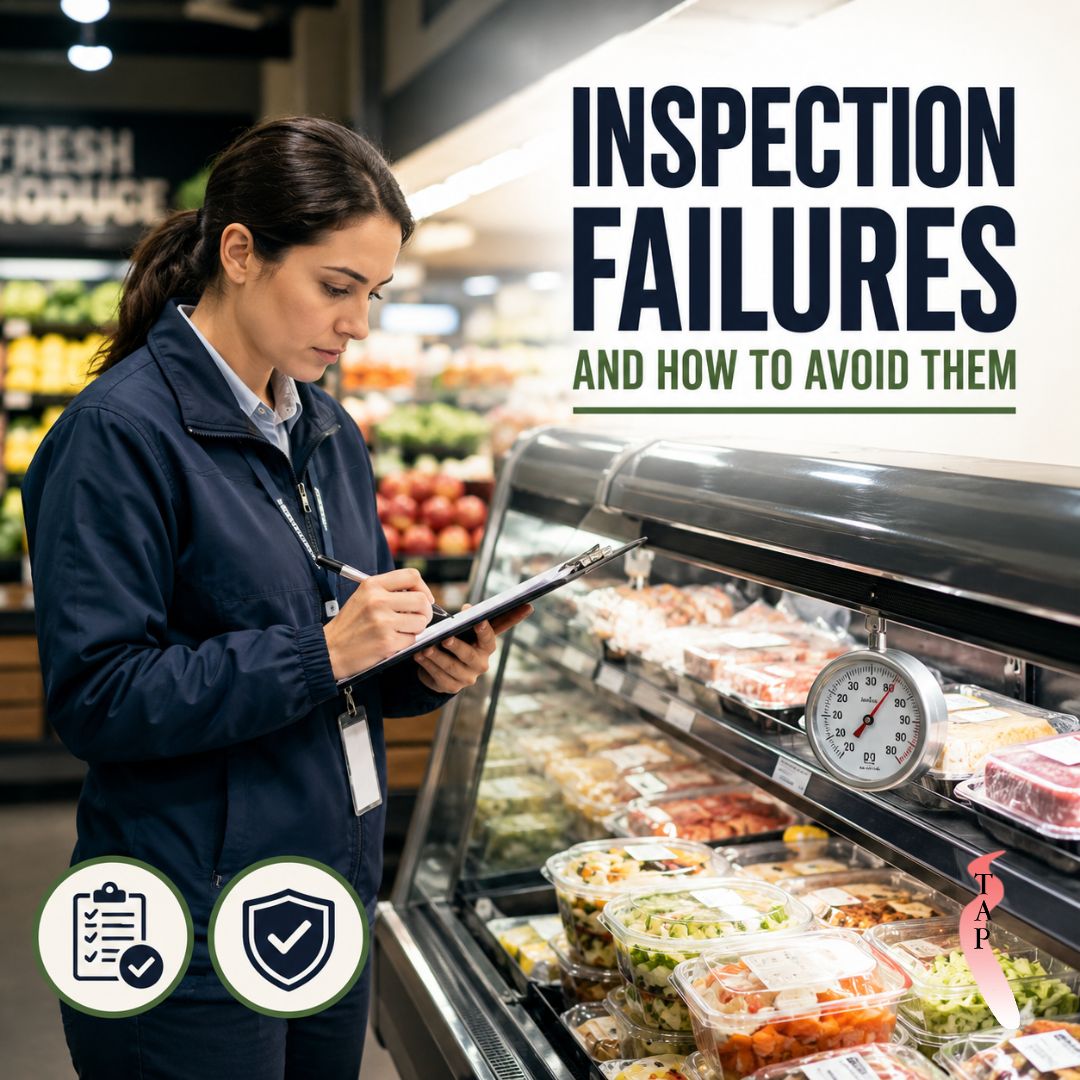
Food safety inspections are a routine part of operating a grocery store, but they are also one of the most important measures of a business's commitment to public health. Every year, grocery stores across the United States receive inspection violations that could have been prevented with stronger food safety practices, better employee training, and consistent operational oversight.
While many violations may appear minor at first, repeated issues can result in fines, damaged customer trust, negative publicity, and in severe cases, temporary closures. The good news is that most inspection failures stem from preventable mistakes rather than intentional negligence.
For grocery retailers, investing in comprehensive employee education through Food Safety Manager and Allergen Awareness training can significantly reduce inspection risks while creating a safer shopping experience for every customer.
Why Grocery Stores Commonly Fail Health Inspections
Health inspectors evaluate grocery stores based on numerous food safety standards designed to protect consumers from foodborne illness. Even well-managed stores can accumulate violations when procedures are inconsistent or employees lack proper training.
Some of the most common reasons grocery stores fail inspections include:
- Improper cold or hot holding temperatures
- Cross contamination between raw and ready-to-eat foods
- Poor employee handwashing practices
- Unsanitary food preparation surfaces
- Improper cleaning and sanitizing procedures
- Pest activity
- Incorrect food storage
- Missing or inaccurate food labeling
- Poor allergen management
- Employees not following established food safety procedures
Most of these issues develop gradually through small daily mistakes rather than major incidents.
Temperature Control Remains One of the Biggest Risks
Temperature abuse is one of the leading causes of food safety violations.
In grocery stores, refrigeration equipment works continuously, but problems arise when employees fail to monitor temperatures, leave refrigerated products out too long during stocking, or improperly cool prepared foods.
Examples include:
- Refrigerated deli meats exceeding safe temperatures
- Hot prepared meals falling below required holding temperatures
- Frozen products partially thawing during transport
- Walk-in coolers operating outside safe limits
- Temperature logs being incomplete or inaccurate
Without proper monitoring, bacteria can multiply rapidly, increasing the risk of foodborne illness.
Cross Contamination Happens More Often Than Employees Realize
Cross contamination can occur in every department of a grocery store.
Raw meat juices may drip onto produce, utensils may be shared between foods without proper sanitation, or employees may handle ready-to-eat foods immediately after touching raw products.
Common examples include:
- Raw poultry stored above ready-to-eat foods
- Shared cutting boards without cleaning
- Dirty food contact surfaces
- Improper glove usage
- Poor hand hygiene between tasks
These mistakes are entirely preventable when employees understand proper food handling procedures.
Allergen Mistakes Can Lead to Serious Consequences
Food allergens present unique challenges for grocery stores.
Prepared foods, bakery items, deli products, salad bars, and packaged goods all require accurate labeling and careful handling.
Common allergen violations include:
- Missing allergen labels
- Incorrect ingredient information
- Cross contact during food preparation
- Employees providing inaccurate allergen information
- Shared utensils between allergen-containing foods
For customers with food allergies, even small errors can result in severe allergic reactions.
Providing employees with Allergen Awareness | TAP Series® training helps staff recognize allergen risks, prevent cross contact, and communicate safely with customers.
Cleaning and Sanitation Require Daily Attention
Cleaning schedules often appear straightforward, yet many inspection failures result from inconsistent sanitation.
Inspectors commonly identify:
- Dirty slicers and food preparation equipment
- Food residue on counters
- Improper sanitizer concentrations
- Dirty storage shelves
- Unsanitary sinks
- Unclean ice machines
Effective sanitation requires consistent procedures, documented schedules, and employee accountability.
Documentation Matters During Every Inspection
Even when food is handled correctly, poor documentation can create compliance issues.
Inspectors frequently review:
- Temperature logs
- Cleaning schedules
- Corrective action records
- Food safety procedures
- Employee training documentation
Incomplete records make it difficult to demonstrate that safe food handling practices are consistently followed.
Managers Play a Critical Role in Inspection Success
Food safety begins with leadership.
Managers establish expectations, monitor compliance, correct unsafe behaviors, and ensure every employee understands their responsibilities.
A knowledgeable manager can identify problems before an inspector does.
Responsibilities include:
- Conduct routine food safety checks.
- Verify temperature monitoring.
- Observe employee hygiene practices.
- Review sanitation procedures.
- Ensure proper allergen controls.
- Keep training current.
Organizations that prioritize management involvement typically experience fewer inspection violations.
Training Builds Consistent Food Safety Practices
Employees cannot consistently follow procedures they have never been properly taught.
Food safety training helps employees understand:
- Safe food handling practices
- Time and temperature controls
- Cross contamination prevention
- Cleaning and sanitizing procedures
- Personal hygiene requirements
- Proper documentation
- Allergen safety
- Regulatory expectations
Ongoing education also reinforces safe habits as regulations and workplace responsibilities evolve.
How TAP Series Supports Grocery Store Compliance
TAP Series offers online training designed to help grocery stores build knowledgeable teams and strengthen food safety programs.
Retail Food Safety Manager Training | TAP Series®
This course prepares managers to oversee safe food handling practices, maintain regulatory compliance, and promote a strong food safety culture throughout the store.
Allergen Awareness | TAP Series®
This course helps employees identify major food allergens, prevent cross contact, understand labeling responsibilities, and communicate effectively with customers who have food allergies.
Together, these courses help grocery retailers reduce inspection risks while protecting both customers and their business.
Creating a Grocery Store That Is Always Inspection Ready
Successful inspections are not the result of last-minute preparation. They reflect daily operational discipline, knowledgeable employees, and managers who consistently reinforce safe food handling practices.
By combining strong leadership with ongoing education through Retail Food Safety Manager Training | TAP Series® and Allergen Awareness | TAP Series®, grocery stores can reduce violations, improve compliance, protect public health, and build lasting customer confidence. Continuous investment in food safety training is one of the most effective ways to prevent inspection failures before they happen.