Employee Awareness Training
Why Sexual Harassment Training Matters in Every Workplace
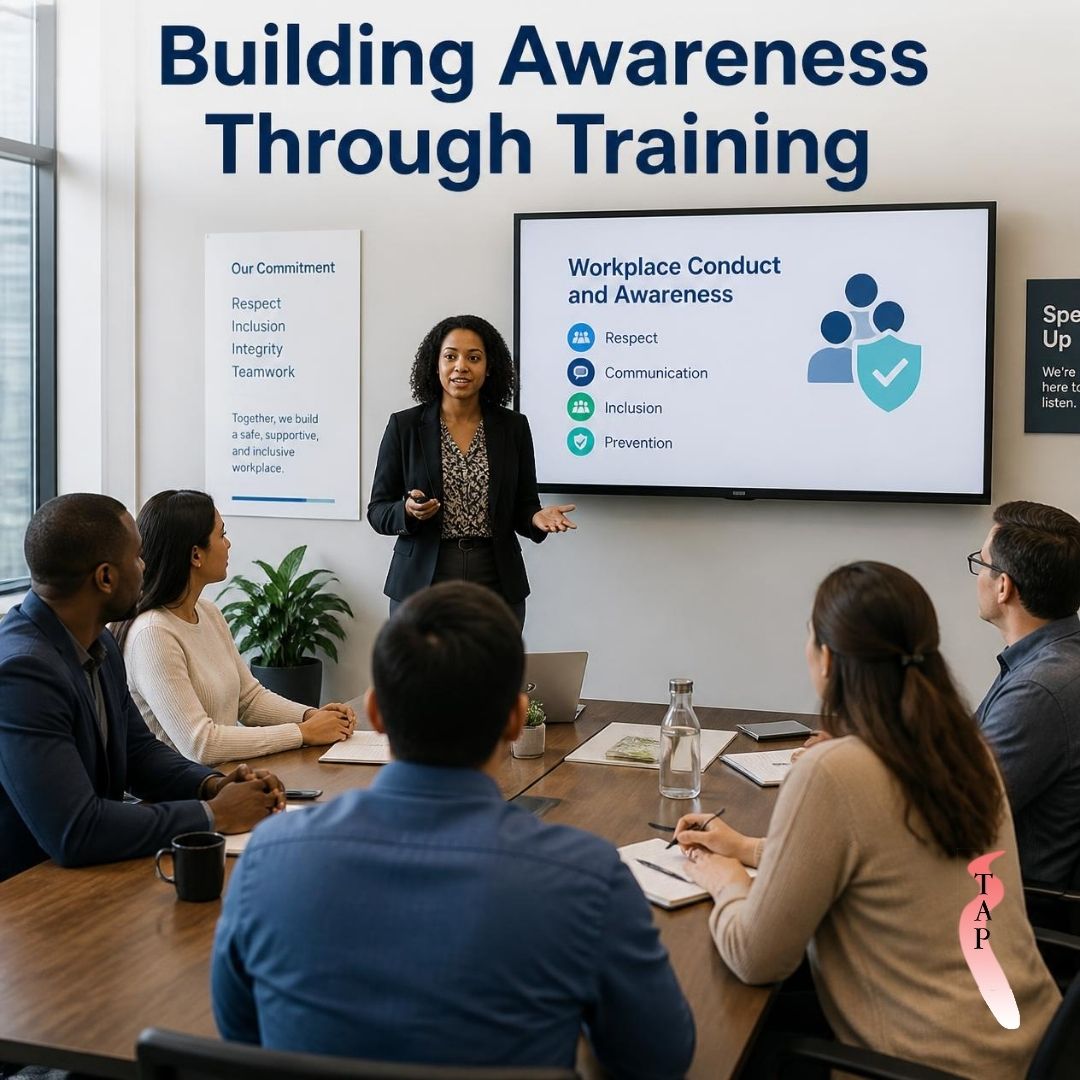
Sexual harassment training can help employers establish clear expectations for workplace conduct, regardless of industry, company size, or whether the organization has previously received a harassment complaint. Employees work in different environments and interact with coworkers, supervisors, customers, vendors, and other individuals, making workplace awareness an important part of maintaining professionalism.
Waiting until a complaint occurs before addressing harassment prevention can leave employees uncertain about what conduct is appropriate, how concerns should be reported, and what responsibilities supervisors have.
Training provides an opportunity to address these topics proactively and reinforce a workplace culture based on respect, awareness, and appropriate conduct.
Sexual Harassment Can Affect Any Workplace
Sexual harassment is not limited to a particular industry or type of organization. It can arise in offices, restaurants, retail stores, healthcare facilities, warehouses, manufacturing environments, construction sites, and remote or hybrid workplaces.
Workplace interactions can also take place through digital communication, including email, messaging platforms, video meetings, and other work-related applications.
Because workplace environments differ, employers should make sure employees understand how their organization's expectations for professional conduct apply to their specific work setting.
Why Company Size Does Not Eliminate the Need for Training
Small businesses may have fewer employees, but that does not mean workplace conduct concerns cannot arise. In a smaller organization, employees may work closely with owners, managers, supervisors, and coworkers, making clear expectations and reporting procedures particularly important.
Larger organizations may face different challenges, including multiple departments, locations, shifts, management levels, and communication channels.
Regardless of company size, employees should understand:
- What workplace conduct is expected
- What behavior may raise harassment concerns
- How to report concerns
- Who they can contact
- What responsibilities supervisors have
- Where to find applicable workplace policies
Training Should Not Depend on Previous Complaints
An employer does not need to wait for a complaint before providing harassment prevention training.
A workplace without previous complaints may still benefit from training because employees may not always recognize inappropriate conduct or know how to report it. A lack of complaints should not automatically be interpreted as proof that employees have no concerns.
Training can provide employees with information before they encounter a situation that requires them to make a decision about workplace conduct.
It can also help employers reinforce expectations consistently rather than treating harassment prevention as a response to a specific incident.
Employee Awareness Is an Important Starting Point
Employees cannot reasonably be expected to follow workplace expectations they do not understand.
Awareness training can help employees recognize different types of conduct that may create workplace concerns, including:
- Unwelcome sexual comments
- Sexual jokes or conversations
- Unwanted requests for dates or romantic attention
- Sexual gestures or suggestive behavior
- Unwelcome messages or communications
- Comments about someone's body or appearance
- Requests for sexual favors
- Other unwelcome conduct of a sexual nature
Not every uncomfortable interaction necessarily meets the legal definition of sexual harassment. Training should therefore focus on helping employees understand workplace standards, recognize potentially inappropriate conduct, and know where to seek guidance.
Clear Reporting Procedures Matter
Awareness is only part of harassment prevention. Employees should also know what to do when they experience or witness conduct that concerns them.
Employers can reinforce reporting awareness by clearly communicating:
- Who employees can contact
- How concerns can be reported
- Where workplace policies can be reviewed
- What employees should do if their supervisor is involved in a concern
- What channels are available for raising questions
Reporting procedures should be understandable and accessible to employees across different departments, shifts, locations, and work arrangements.
Supervisors Need Training Too
Supervisors and managers have an important role in workplace harassment prevention. Employees may approach them first when they have a concern, even when the supervisor is not the person responsible for handling the investigation.
Supervisors should understand how to respond appropriately and follow their organization's procedures.
Training can reinforce the importance of:
Listening professionally
Supervisors should allow employees to communicate their concerns without immediately dismissing them.
Following established procedures
Supervisors should understand where complaints and concerns need to be directed.
Avoiding personal investigations
Managers should not independently determine whether an allegation is valid without following the organization's established process.
Escalating concerns appropriately
Supervisors should know when to involve HR, senior management, or another designated resource.
Prevention Is an Ongoing Workplace Responsibility
Sexual harassment prevention should not be treated as a one-time discussion. Workplace expectations can be reinforced through training, policies, management practices, and regular communication.
Employers can support prevention by:
- Providing harassment prevention training
- Reviewing workplace policies with employees
- Making reporting procedures accessible
- Training supervisors and managers
- Reinforcing expectations for professional conduct
- Addressing workplace concerns through established procedures
- Encouraging respectful communication
These practices can help create a workplace where employees understand that professional conduct is an ongoing responsibility.
The Importance of Sexual Harassment Training
Sexual Harassment Training | TAP Series®
Training can help employees and supervisors develop a shared understanding of workplace expectations. It can also provide practical information about recognizing inappropriate conduct and using established reporting procedures.
Key areas of training can include:
- Employee awareness: Helping employees recognize potentially inappropriate workplace conduct.
- Reporting procedures: Explaining how and where employees can raise concerns.
- Supervisor responsibilities: Reinforcing appropriate responses when concerns are brought to management.
- Workplace respect: Establishing expectations for professional communication and behavior.
- Prevention strategies: Supporting broader efforts to maintain a respectful workplace.
Training should complement an employer's policies and procedures rather than serve as a substitute for them.
Making Training Part of Workplace Culture
Employers can make harassment prevention more meaningful by incorporating it into broader workplace practices.
Instead of treating training as an isolated compliance activity, organizations can reinforce the same expectations through onboarding, management communication, employee handbooks, workplace policies, and periodic training.
Employees should receive consistent messages about:
- Respectful workplace behavior
- Professional boundaries
- Reporting responsibilities
- Management expectations
- Available resources
Consistency can help employees better understand that workplace respect applies across departments, positions, locations, and situations.
Conclusion
Workplace harassment prevention is an ongoing responsibility that applies to organizations of different sizes and industries. A history without complaints does not remove the value of educating employees about workplace conduct, reporting procedures, and prevention.
Providing appropriate training can help employees recognize potentially inappropriate behavior, understand where to raise concerns, and better understand their role in maintaining a respectful workplace. For employers, making awareness and prevention part of regular workplace practices can support clearer expectations and more informed responses to workplace concerns.