Restaurant Workplace Compliance
Workplace Culture in Restaurants: How Harassment Claims Can Increase Turnover Risks
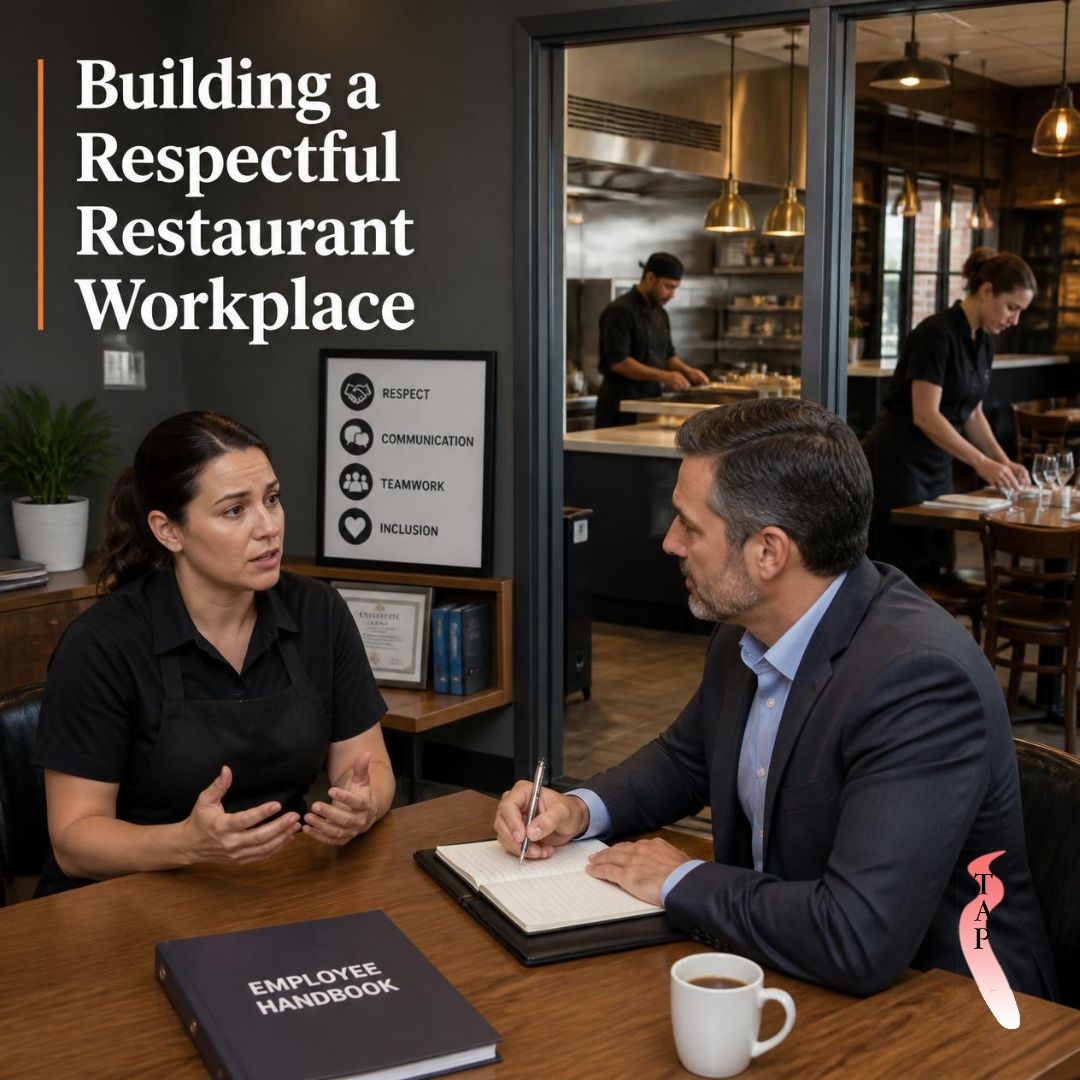
A strong workplace culture in the restaurant industry can influence how employees communicate, work together, and respond to workplace concerns. Restaurants often operate in fast-paced environments where employees, supervisors, managers, and customers interact under pressure. Without clear expectations for professional conduct, inappropriate behavior can become difficult to address.
Harassment claims can create significant challenges for restaurant employers. Even when a claim is disputed or remains under investigation, employees may lose confidence in management if they believe concerns are not taken seriously. This can contribute to dissatisfaction, employee turnover, staffing challenges, and a less stable workplace.
For U.S. restaurant companies, preventing harassment is not only about responding to individual complaints. It is also about establishing a workplace culture where employees understand appropriate conduct, know how to report concerns, and feel that management will respond appropriately.
Why Workplace Culture Matters in Restaurants
Restaurant employees frequently work closely together in kitchens, dining rooms, service areas, offices, and other shared spaces. Long shifts, demanding customers, busy service periods, and communication under pressure can create stressful working conditions.
A healthy workplace culture can help employees understand that professional standards apply even during difficult situations.
Important elements include:
- Clear expectations for respectful workplace behavior
- Consistent communication between employees and managers
- Accessible reporting procedures
- Prompt attention to workplace concerns
- Appropriate supervisor conduct
- Training that reinforces harassment prevention
- Consistent application of workplace policies
When employees understand these expectations, managers have a stronger foundation for addressing concerns before they develop into larger workplace problems.
Harassment Claims Can Affect Employee Retention
Employee turnover is already an important concern for restaurant businesses. When employees experience or perceive a workplace as uncomfortable, disrespectful, or unsafe, they may become less engaged or consider leaving.
A harassment complaint can also affect other employees who witness the situation or become aware of the complaint. Employees may question whether management will protect them if they raise similar concerns.
The potential consequences can include:
- Lower employee morale
- Reduced trust in management
- Increased absenteeism
- Difficulty retaining experienced employees
- Additional recruitment and onboarding costs
- Disruption to team performance
- Damage to workplace relationships
Employers should not assume that turnover is simply a normal part of restaurant operations. Patterns of employee departures may sometimes indicate underlying workplace culture concerns that deserve attention.
How Management Can Respond to Harassment Concerns
Restaurant managers and supervisors play an important role in maintaining workplace standards. They may be the first people employees approach when they experience or witness inappropriate conduct.
Managers should understand how to respond professionally when a concern is raised.
Listen carefully
Give the employee an opportunity to explain the concern without dismissing or minimizing it.
Follow established reporting procedures
Managers should know where complaints must be directed and what steps the company requires.
Avoid making assumptions
A complaint should be handled objectively. Managers should not decide that an allegation is true or false without following the appropriate process.
Document appropriately
Relevant information should be recorded according to company procedures and applicable requirements.
Escalate when necessary
Managers should understand when concerns need to be referred to HR, senior management, or another designated resource.
Building a Culture Where Employees Can Speak Up
Employees are more likely to raise concerns when they understand how reporting works and believe their concerns will be handled appropriately.
Restaurant employers can reinforce this culture by regularly communicating:
- How employees can report harassment
- Who employees can contact with concerns
- What behavior is considered inappropriate
- The responsibilities of supervisors and managers
- The importance of respectful communication
- The company's expectations for professional conduct
Reporting procedures should be understandable and accessible to employees across different shifts and locations.
The Importance of Sexual Harassment Training
Sexual Harassment Training | TAP Series®
Training can help restaurant employees and managers recognize inappropriate conduct and understand their responsibilities in maintaining a respectful workplace.
Effective sexual harassment training can address several important areas:
- Employee awareness: Employees can learn to recognize inappropriate workplace behavior and understand available reporting channels.
- Reporting procedures: Employees should know how and where to report concerns.
- Supervisor responsibilities: Managers need to understand how to respond when employees bring concerns to their attention.
- Workplace respect: Training can reinforce expectations for professional communication and conduct.
- Prevention strategies: Employers can use training to reinforce policies and encourage early reporting of concerns.
Training should support, rather than replace, clear workplace policies and appropriate management practices.
Supporting Restaurant Employees Through Clear Expectations
A positive workplace culture requires consistent effort from leadership. Policies should be communicated clearly, managers should understand their responsibilities, and employees should have appropriate channels for raising concerns.
Restaurant employers can also review turnover patterns, employee feedback, workplace complaints, and management practices to identify areas where workplace culture may need improvement.
The goal is not simply to respond after a complaint occurs. Employers should work toward creating an environment where respectful behavior is expected and concerns can be addressed appropriately.
Key Takeaways for Restaurant Employers
- Workplace culture can influence employee retention and morale.
- Harassment concerns should be taken seriously and handled through established procedures.
- Managers need to understand their responsibilities when employees report concerns.
- Employees should know how and where to report workplace issues.
- Consistent training can reinforce expectations for respectful workplace conduct.
- Patterns of turnover may warrant closer attention to workplace culture and employee concerns.
Conclusion
A healthy restaurant workplace culture depends on clear expectations, responsible management, effective communication, and appropriate responses to employee concerns. Harassment claims can create challenges that extend beyond the individual complaint, potentially affecting morale, trust, retention, and overall workplace stability.
By establishing clear reporting procedures, training employees and supervisors, and reinforcing respectful conduct, restaurant employers can take practical steps toward a more professional workplace environment. Sexual harassment prevention should be treated as an ongoing part of workplace management rather than a one-time compliance activity.