US Restaurant Labor Law Complianc
Workplace Culture in the Restaurant Industry: Reducing Harassment Claims and Turnover Risks
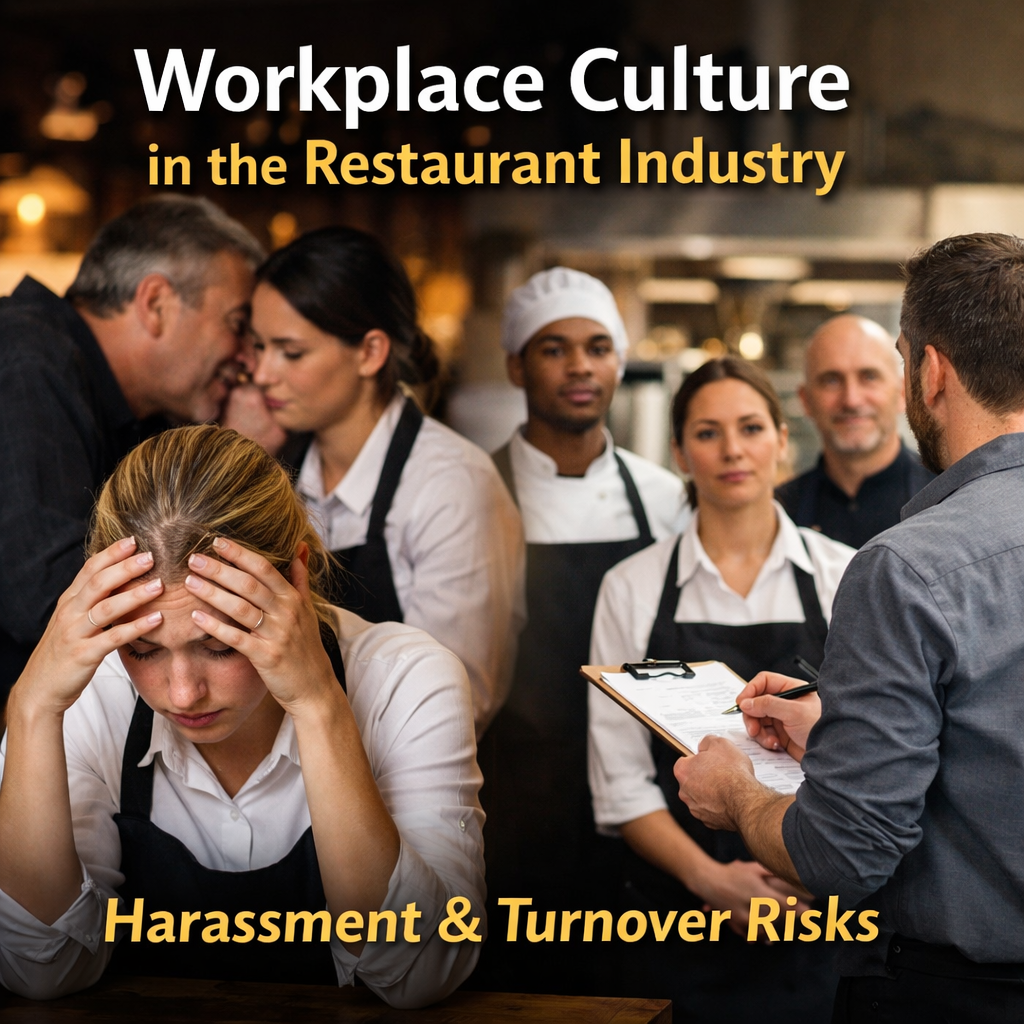
Workplace culture in the restaurant industry directly impacts employee retention, guest experience, and legal exposure. In fast paced kitchens and front of house operations, culture can either strengthen teamwork or create conditions where harassment claims and costly turnover become recurring problems.
Restaurants across the United States face increasing scrutiny around workplace conduct. A single unresolved complaint can damage morale, increase attrition, and expose operators to significant liability. Proactive training is no longer optional. It is a critical business safeguard.
Why Restaurant Environments Are High Risk
The restaurant industry presents unique workplace dynamics:
- High employee turnover
- Long, irregular shifts
- Tipped wage structures
- Close physical proximity between staff
- Power imbalances between supervisors and hourly employees
- Customer interactions that may involve inappropriate behavior
When these factors combine with inadequate policies or inconsistent enforcement, harassment claims become more likely.
Without clear standards and accountability, toxic behaviors can normalize quickly. That normalization leads to disengagement, resignations, and potential lawsuits.
The Business Cost of Harassment Claims
Harassment claims affect more than reputation. They directly impact operations and profitability.
1. Increased Turnover Costs
Replacing restaurant staff requires recruiting, onboarding, and retraining. High turnover reduces team cohesion and service quality.
2. Legal Exposure
Federal laws under Title VII and various state regulations require employers to prevent and address harassment. Failure to comply can result in penalties, settlements, and public litigation.
3. Lower Productivity
Employees who feel unsafe or unsupported are less engaged and more likely to disengage from team performance goals.
4. Brand Damage
Online reviews and social media amplify internal issues quickly. A damaged employer brand makes hiring even harder.
A healthy workplace culture reduces these risks significantly.
Building a Culture That Prevents Misconduct
Strong culture starts with clarity, consistency, and leadership accountability.
Restaurants should focus on:
- Clear written anti harassment policies
- Consistent enforcement across all levels
- Transparent reporting procedures
- Immediate and documented follow up
- Ongoing education for both employees and supervisors
Training must address both awareness and action. Employees need to understand prohibited behaviors. Supervisors must know how to respond legally and appropriately.
Training Employees to Recognize and Prevent Harassment
The Sexual Harassment Employee course provides foundational knowledge for restaurant staff.
Sexual Harassment Employee | TAP Series®
This course helps employees:
- Identify behaviors classified as sexual harassment
- Understand legal implications and consequences
- Recognize discrimination and misconduct
- Follow workplace policies and reporting procedures
- Access available support services
Lessons include:
- Sexual Harassment and the Law
- Sexual Harassment and Discrimination
- Types of Sexual Harassment
- Policies and Procedures
By equipping employees with clear definitions and reporting pathways, restaurants reduce confusion and increase accountability.
Strengthening Leadership Accountability
Supervisors carry elevated responsibility. Courts and regulators often evaluate whether management responded appropriately to complaints.
The Sexual Harassment Supervisor course is designed specifically for managers and shift leaders.
Sexual Harassment Supervisor | TAP Series®
Supervisors learn to:
- Define sexual harassment comprehensively
- Understand federal and state legal standards
- Advocate for strong anti harassment policies
- Document incidents properly
- Handle complaints effectively
- Conduct follow up procedures
- Support affected employees appropriately
Key lessons include:
- Sexual Harassment and the Law
- Sexual Harassment and Discrimination
- Types of Sexual Harassment
- Policies and Procedures
- Supervisor Responsibilities
- How to Handle Complaints
- Follow Up
When supervisors are properly trained, response times improve and liability exposure decreases.
How Culture and Retention Are Connected
Restaurant employees stay where they feel respected and protected. Culture influences:
- Team collaboration
- Guest interactions
- Service consistency
- Operational stability
A restaurant that invests in structured harassment prevention training signals that leadership takes workplace conduct seriously. That commitment builds trust.
Trust reduces turnover.
Reduced turnover strengthens service quality.
Stronger service quality improves profitability.
A Proactive Strategy for U.S. Restaurant Operators
For restaurant groups and independent operators across the United States, harassment prevention training is both a compliance requirement and a retention strategy.
A comprehensive approach includes:
- Mandatory employee level training
- Supervisor specific accountability training
- Documented policy acknowledgment
- Ongoing refresher programs
Implementing both employee and supervisor courses creates alignment across all levels of the organization.
Protecting Your Restaurant’s Future
Harassment claims and turnover risks often stem from unclear expectations and inconsistent enforcement. By investing in structured education and leadership training, restaurants strengthen their workplace culture while protecting their business.
A resilient restaurant operation is built on respect, accountability, and proactive compliance. Addressing harassment risks today safeguards long term operational stability and reinforces a positive workplace culture.