Education Workplace Ethics Programs
When Professional Ethics Break Down in Schools, Everyone Pays the Price
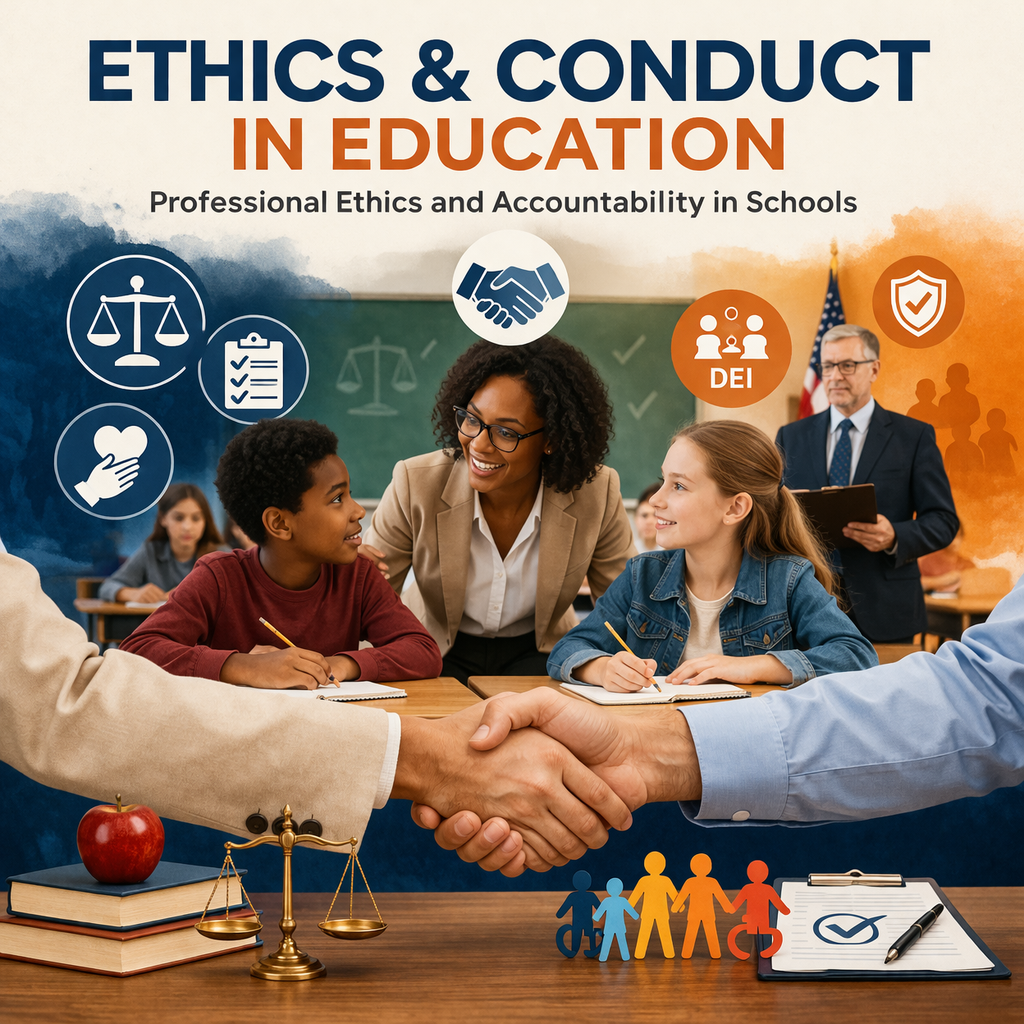
In today’s education environment, professional ethics and accountability are no longer optional. Schools are not just centers of learning. They are institutions of trust. When that trust is compromised, the impact extends beyond compliance issues and directly affects students, staff, and the community.
For U.S. education organizations, ethical conduct is closely tied to legal exposure, reputation, and operational stability. Yet many schools still treat ethics as a checkbox instead of a core part of daily decision-making.
The Real Cost of Ethical Lapses in Education
Ethical failures in schools often start small but escalate quickly. A lack of accountability, inconsistent standards, or unclear expectations can lead to serious consequences.
Common risks include:
- Favoritism or bias in student treatment or staff decisions
- Failure to follow regulatory requirements or reporting standards
- Misuse of school resources or authority
- Lack of transparency in disciplinary actions
- Cultural insensitivity or exclusion in diverse environments
These issues can result in:
- Legal complaints and regulatory scrutiny
- Loss of community trust
- Staff turnover and low morale
- Negative public attention
For administrators and school leaders, the challenge is not just reacting to these issues but preventing them through consistent ethical standards.
Why Ethics Training Must Be Proactive, Not Reactive
Many organizations only address ethics after a problem arises. By then, the damage is already done.
A proactive approach ensures that staff:
- Understand professional standards and expectations
- Recognize ethical dilemmas before they escalate
- Apply sound judgment in complex situations
- Stay aligned with state and federal regulations
- Promote a culture of accountability and integrity
Ethics training helps educators and staff move from uncertainty to confidence when faced with difficult decisions.
Key Areas Where Schools Struggle with Accountability
Even well-run institutions face gaps in ethical consistency. The most common breakdowns occur in:
1. Decision-Making Under Pressure
Staff may prioritize convenience over compliance when handling student issues, grading disputes, or disciplinary actions.
2. Lack of Clear Ethical Frameworks
Without defined guidelines, employees rely on personal judgment, which can vary widely.
3. Inconsistent Enforcement of Policies
When rules are not applied equally, it creates distrust among students and staff.
4. Limited Awareness of Legal Requirements
Failure to understand regulatory obligations can lead to unintentional violations.
Building a Strong Ethical Culture in Education
Creating an ethical school environment requires more than policies. It requires consistent training, reinforcement, and leadership alignment.
Effective strategies include:
- Establishing clear professional standards
- Encouraging open discussion of ethical dilemmas
- Reinforcing accountability at all levels
- Providing ongoing training, not just onboarding sessions
- Aligning ethics with daily operations and decision-making
When ethics become part of the culture, compliance becomes a natural outcome rather than a forced requirement.
Recommended Training for Education Teams
To support schools in strengthening ethical conduct and accountability, TAP Series offers practical, accessible training solutions:
- Ethics Training | Tap Series®
Covers professional standards, regulatory requirements, ethical judgment, and compliance application. Helps staff identify ethical dilemmas, maintain independence, and understand the consequences of non-compliance. - DEI Awareness Training
Supports inclusive decision-making, reduces bias, and promotes respectful interactions across diverse school communities.
What your team will gain:
- Better understanding of professional ethics and responsibilities
- Stronger ability to make sound, ethical decisions
- Awareness of legal and regulatory expectations
- Tools to promote an ethical culture within the organization
- Confidence in handling complex workplace situations
Conclusion: Ethics Is the Foundation of Trust in Education
Professional ethics in schools is not just about compliance. It is about protecting students, supporting staff, and maintaining public trust. Organizations that invest in ethics training create safer, more consistent, and more accountable environments.
By prioritizing structured learning and clear standards, schools can reduce risk, strengthen culture, and ensure long-term success through ethical workplace practices.